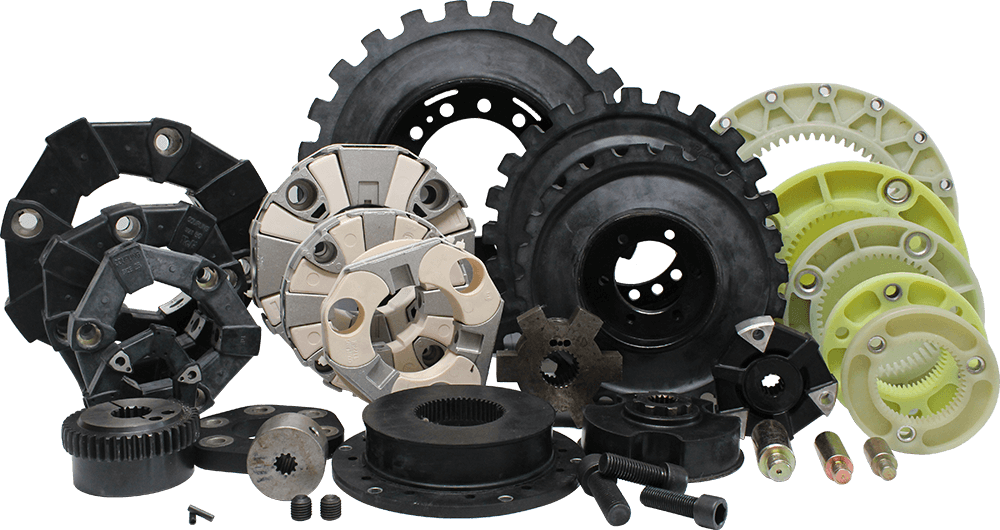

You may see machines shake or make noise when running. Cylindrical vibration isolators help fix these problems. These devices have a simple design to keep vibrating parts apart from their mounts. This gives you less shaking and makes things quieter. Your equipment will last longer and work better.
Key Takeaways
Cylindrical vibration isolators help lower noise and shaking in machines. This makes machines run more quietly and smoothly. These isolators keep equipment safe from harm. They help machines last longer and work better. Picking the right material and size for your isolator is very important. It helps the isolator work well and last a long time. Checking isolators often can make them last longer. It also helps them work the way they should. Using isolators with sensors and actuators can improve vibration control. This makes systems smarter and quicker to respond.
Cylindrical Vibration Isolators: Applications

Industries
Cylindrical vibration isolators are used in many places. They help machines work quietly and smoothly. You can find them in factories, offices, and hospitals. Some common uses are:
Compressors in factories
Motors in big buildings
HVAC systems in offices
Pumps in water plants
Electronic devices in labs
These isolators lower noise and shaking in HVAC systems. They can be used with chillers and air handling units. This helps make buildings more comfortable for people.
Tip: YNF Rubber has many cylindrical vibration isolators for different industries.
Machinery and Equipment
Many machines need cylindrical vibration isolators. These devices protect equipment from shaking and loud sounds. You often see them with:
Motors
Compressors
Pumps
Using these isolators helps keep machines safe and accurate. They lower noise and shaking from presses, conveyors, and other machines. Sensitive tools and instruments stay safe from vibration damage.
Benefits
Cylindrical vibration isolators have many good points. They help machines work better and last longer. Here are some ways they help:
They lower vibrations for better machine work.
They stop parts from wearing out fast.
They help machines last longer.
They keep machines safe from damage.
They lower stress on parts, so machines run well.
They soak up vibrations and protect your equipment.
Rubber isolators are a good choice for better machine work. They help lower noise, protect equipment, and keep people safe.
Materials
Rubber and Metal Inserts
Most cylindrical vibration isolators use rubber and metal together. Rubber makes up most of the isolator. Metal inserts help make it stronger. This mix lets the isolator take in shocks and hold up heavy things.
Here is a table that shows what each material does:
Material | Contribution to Performance |
|---|---|
Rubber | Takes in and softens vibrations. It stretches and can handle heat from moving parts. |
Metal | Makes the isolator strong and keeps its shape. Steel is used a lot because it does not bend and can take heat. |
Rubber, like natural rubber, is usually about 55 Duro hard. Plated mild steel is often used for the metal studs. This mix helps the isolator work well in many machines.
Material Choice
You need to choose the best material for your isolator. Different rubbers have special uses. Natural rubber works for most vibration problems. Neoprene is good when there are oils or chemicals. Nitrile (Buna-N) lasts longer in tough places.
Material | Application |
|---|---|
Natural Rubber | Works well for most vibration problems |
Neoprene | Best when oils or chemicals are around |
Nitrile (Buna-N) | Good for rough, tough environments |
Think about what your machine needs. The kind of vibration, the weight, and the place all matter. If your machine gets hot or has chemicals, pick a material that can handle it.
Performance Impact
The material you pick changes how well the isolator works. Rubber helps keep machines quiet and softens shaking. Metal inserts stop the isolator from breaking or changing shape. Heat and wetness also change how it works. High heat can make rubber softer or harder, which changes how it takes in vibration. Wetness can change how long the isolator lasts.
Note: Always look at where you will use the isolator. The right material keeps your equipment safe and working longer.
Working Principle
Vibration Suppression
Cylindrical vibration isolators help stop unwanted shaking in machines. These isolators work like soft pads between moving parts and their mounts. They use stretchy materials to soak up energy from vibrations. You can use them in cars, motors, or cabins to keep things steady and quiet.
Here are some ways these isolators stop vibrations:
They block shaking from many directions.
They lower bumps and noise that travel through structures.
They work well in moving machines and equipment.
You can see how these isolators work in the table below:
Mechanism | Description |
|---|---|
Elastic Meta-Shells | Control many kinds of vibration waves by closing all paths for shaking. |
Total Reflection | Stop vibration waves by bouncing them back, not letting them go through. |
Experimental Proof | Tests show these isolators block lots of different vibrations very well. |
When you use cylindrical vibration isolators, your machines last longer and work better. You also make things quieter, which helps keep people safe and comfortable.
Sensors and Actuators
Some cylindrical vibration isolators use sensors and actuators for even better control. You can find these in active vibration isolation systems. Sensors find vibrations right away. Actuators move to stop the shaking.
Here is how sensors and actuators help:
Sensors check how much a machine shakes.
Actuators move to balance out the shaking.
Some systems use self-sensing actuators. These can sense and act at the same time.
Self-sensing controllers change to match new vibrations, making the system smarter.
Tip: Using isolators with sensors and actuators helps protect sensitive equipment and gives better results in labs or factories.
Frequency Control
Cylindrical vibration isolators also help you control your system’s natural frequency. Every machine has a natural frequency, which is the speed it likes to shake. If outside forces match this speed, the machine can shake a lot and even break.
You can use these isolators to lower the system’s natural frequency. This means the machine will not shake as much, even if something tries to make it vibrate. By tuning the system this way, you can:
Get the best vibration isolation.
Control sudden shocks and movements.
Reduce noise that travels through structures.
Cylindrical vibration isolators help you control how your machines react to shaking. You get smoother work and less damage to your equipment.
Installation & Maintenance
Installation Steps
You can put cylindrical vibration isolators in many machines. First, place the isolators under the steel beam. This keeps cooling tower cells from moving by themselves. Do not attach isolators straight to the cooling towers. This stops bending and movement troubles. Use spring isolators for all pipes that connect cooling tower cells. This helps stop vibration harm. Make sure every link between towers and the building is isolated, including pipes and attachments.
Here is a table with common installation problems and how to fix them:
Challenge | Solution |
|---|---|
Improper Design and Specification | Check vibrations before picking isolators. Use simulation tools and follow standards. |
Incorrect Isolator Selection | Choose isolators with enough static deflection. Ask experts or manufacturers for help. |
Installation Errors | Follow instructions carefully. Use flexible connectors. Test and fix after installing. |
Inadequate Maintenance | Do regular checks and change worn parts fast. |
Adjustment and Load Changes | Use adjustable isolators or active systems. Rebalance after changes. |
Space and Integration Constraints | Measure space and pick isolators that fit. Use special solutions for tricky needs. |
Tip: YNF Rubber has isolators for many installation needs.
Maintenance Tips
Check your isolators often to keep them working well. Do these steps:
Look for cracks, rust, or parts out of place.
Clean off dust and dirt.
Change any isolator that looks old or broken.
Write down all checks and fixes.
Doing regular maintenance helps isolators last longer. Put oil on moving parts to lower friction. Watch the load on each isolator so you do not overload them. Clean isolators often to help them work their best.
Lifespan
Cylindrical vibration isolators can last many years if you care for them. Checking often helps you find problems early. Cleaning and oiling lowers wear. Keeping the load right stops early failure. Most isolators work well for a long time if you follow these steps. You protect your machines and save money on repairs.
Note: Picking the right isolator and keeping up with care helps you get the most from your investment.
Customization
Sizes and Shapes
Cylindrical vibration isolators come in many sizes and shapes. This helps you pick one that fits your machine. Some shapes are cylindrical, conical, hourglass, and bell-type. Each shape is good for different jobs. Cylindrical shapes work well under motors and pumps. Conical shapes are better for lighter loads. You can choose small or large sizes. Heavy equipment needs bigger isolators. Small devices need compact ones. Many companies make custom sizes and shapes. This means you can always find the right isolator for your project.
Tip: Always check your equipment’s weight and size before you choose an isolator.
Rubber Types
The rubber type in your isolator changes how it works. You can pick soft, medium, or hard rubber. Shore hardness measures how soft or hard the rubber is. Soft rubber (Shore 40) is good for light loads and lots of vibration. Medium rubber (Shore 55) fits most machines. Hard rubber (Shore 70) is best for heavy loads and strong vibrations.
Here is a table with the main advantages of rubber types:
Advantage | Description |
|---|---|
Versatile Application | Works with many machines like compressors, pumps, and generators. |
Noise Reduction | Makes your work area quieter by lowering noise. |
Durable Construction | Lasts a long time, even with heavy use. |
You can ask for special rubber blends. These help if your machine faces heat, oil, or chemicals.
Selection Guide
Picking the right cylindrical vibration isolator helps your machine work better. It also helps your machine last longer. You should look at some important points. Know your machine’s weight, vibration, and speed. Check where your machine sits and if it needs extra support. Find out if the vibration goes up and down, side to side, or both. Think about temperature, oil, or water that may touch the isolator. Decide if your machine stays in one place or moves around. Some buildings need more vibration control than others. Look for extra forces or special rules for your equipment.
Here is a table to help you compare:
Criteria | Description |
|---|---|
Equipment Specifications | Weight, vibration, and speed of your machine. |
Equipment Location | Where your machine sits and how it is supported. |
Vibration Excitation | Type and direction of vibration. |
Working Environment | Temperature, fluids, and other outside factors. |
Equipment Movement Restrictions | If your machine moves or stays still. |
Building or Structure Type | The kind of building and its use. |
Special Requirements | Any extra needs or outside forces. |
If you need help, you can ask for custom-made isolators. You can also get prototype engineering or lab testing to make sure your choice is right.
You can use cylindrical vibration isolators to help your machines run quietly and safely. These isolators lower noise, make machines work better, and keep equipment safe. The table below shows the main benefits:
Benefit | Description |
|---|---|
Reduced Noise Levels | Makes the area quieter by lowering noise. This is important in places where quiet is needed. |
Enhanced Operational Efficiency | Helps machines work better by stopping extra shaking. This can save energy and boost how much work gets done. |
Improved Comfort | Stops too much shaking from reaching workers. This helps people feel less tired and work better. |
Protection Against Damage | Keeps machines from breaking down fast. This saves money on repairs and helps parts last longer. |
When picking isolators, think about what they are made of, where you will put them, and if you need a special size or shape. Choosing the right one helps your machines work well and last a long time.
FAQ
What do cylindrical vibration isolators do?
Cylindrical vibration isolators lower shaking and noise in machines. They help protect equipment from damage. These isolators also make your workspace quieter. Using them helps machines last longer.
How do you choose the right size for your machine?
First, check how much your machine weighs. Next, see how much it vibrates. Look at the space where you want to put the isolator. YNF Rubber has many sizes for different machines.
Can you use cylindrical vibration isolators outdoors?
You can use these isolators outside if you pick the right material. Neoprene and nitrile rubber work well in wet or hot places. Always check the area before you choose the material.
How often should you check or replace vibration isolators?
Check your isolators every few months. Look for cracks, rust, or worn spots. Change any broken parts fast. Regular checks help keep your machines safe and working well.