
You might feel worried when your car starts to have a shaking or vibrating engine. Take a deep breath—this happens to many drivers. Most vibration engine problems come from simple causes that you can spot and fix on your own. You do not need special tools or advanced knowledge. By following a few easy steps, you can save money and keep your engine running smoothly.
Key Takeaways
Watch for signs like shaking or strange sounds. Knowing when the car shakes helps find the problem.
Do easy checks at home, like looking at tires and engine mounts. These steps can help you save time and money.
Change old spark plugs to help the engine work better. This easy fix can make the car shake less and feel smoother.
Do regular care, like checking air filters and belts, to stop engine trouble. Keeping your car healthy saves money over time.
Get help from a pro for big problems. If shaking gets worse or warning lights turn on, see a mechanic.
Vibration engine checklist

Symptoms to notice
You might feel your car shaking when you start the engine or while driving. Sometimes, the steering wheel vibrates in your hands. You could hear odd noises, like rattling or humming. The seats may even tremble a little. These signs tell you that something needs attention. You should pay close attention to when the vibration happens. Does it start when you speed up, slow down, or only when the car is stopped? Noticing these details helps you find the cause faster.
Tip: Write down when and where you feel the vibration. This makes it easier to explain the problem if you need help.
Quick checks at home
You can do some simple checks before you visit a mechanic. Start by looking at your tires. Check for flat spots, bulges, or worn tread. Make sure the wheels look straight and not bent. Next, look at your brakes. If you hear squeaking or feel shaking when you brake, the problem might be there. Open the hood and check if the engine moves too much when you rev it. Loose or broken engine mounts can cause the engine to shake. Listen for strange sounds near the belts and pulleys. If you see cracks or fraying, these parts might need fixing.
Here’s a quick table showing common causes of vibration engine problems:
Cause | Description |
|---|---|
Engine mounts | Defective engine mounts can produce vibrations that match the resonance frequency of components. |
Issues with crankshaft dampers, especially the rubber mounting, can lead to significant vibrations. | |
Tire conditions | Radial and lateral runout from tire defects or bent rims can cause vibrations during operation. |
You don’t need special tools for these checks. Just use your eyes and ears. If you spot something odd, you’re already one step closer to fixing your car.
Diagnose engine vibration causes

When your car starts to shake, you want answers fast. Let’s break down the most common reasons for engine vibration and show you how to spot them at home. You do not need to be a technician or a mechanic. You just need a little patience and a good eye.
Spark plugs and ignition
Spark plugs play a big role in keeping your engine running smoothly. If they wear out or get dirty, you might notice rough idling or even engine shaking. Faulty spark plugs often cause engine misfires. You might hear coughing or sputtering when you start your car. Sometimes, you feel a strong vibration while idling or even jerking when you drive at higher speeds. These are signs that the engine is not firing evenly.
Here are some things to look for:
Rough idling that makes the car feel bumpy when stopped.
The check engine light comes on.
Jerking or hesitation when you press the gas pedal.
Unusual vibrations in the steering wheel or seats.
If you see these symptoms, check your spark plugs and wires. Replacing them is a simple engine repair that can fix many engine problems.
Engine mounts
Engine mounts, also called motor mounts, hold the engine in place. Over time, these parts can wear out, especially if your car is more than ten years old or you drive on rough roads. When mounts fail, the engine can move too much and cause vibration while driving or idling.
You can spot worn engine mounts by looking for these signs:
Signs of Damage | Description |
|---|---|
Cracks | Look for visible cracks in the rubber part of the mount. |
Tears | Check for any tears that may show wear. |
Damage | Any visible damage means you should replace the mount. |
Corrosion | Rust or corrosion can mean the mount is weak. |
Warps | If the mount looks bent or warped, it may be failing. |
If you see any of these, it’s time to repair or replace the mounts. This can stop the vibration engine issue before it gets worse.
Fuel and air intake
Your engine needs clean fuel and air to run well. Bad fuel quality can cause engine vibration, especially in diesel engines. If the fuel is not clean, the engine may not burn it properly. This can lead to rough idling, shaking, or even unusual vibrations. Sometimes, you might hear popping or sputtering sounds.
A clogged air filter is another common cause. When the filter gets dirty, the engine cannot get enough air. This makes it work harder and can cause rough idling or even engine shaking. You might notice the car feels weak or struggles to speed up.
Tip: Check your air filter every few months. If it looks dirty or clogged, replace it. This simple step can prevent many engine problems.
Unbalanced or damaged parts
Some engine vibration comes from parts that spin inside the engine. If the crankshaft, camshaft, or flywheel gets out of balance, you will feel it. Even a small problem can cause a lot of shaking, especially when you drive faster. Sometimes, you hear a steady thumping noise or feel a strong vibration through the floor.
Here are some things that can cause this:
Lateral vibration from uneven weight in spinning parts.
Worn or damaged engine mounts that make the problem worse.
If you think a part is out of balance, you may need a technician or mechanic to check it. They use special tools to find the exact cause. Sometimes, they add small weights to fix the balance. If you notice the vibration gets worse with speed or when you press the gas, get help soon.
Note: Some problems, like drivetrain vibrations, connect to how fast you drive or how much you press the gas. If you cannot find the cause at home, a professional can use noise, vibration, and harshness (NVH) tools to help.
By checking these areas, you can find most causes of engine vibration. Many fixes are simple and do not need special skills. If you feel unsure, do not wait. Ask a technician or mechanic for help before the problem gets bigger.
Easy engine fixes
You can fix many vibration engine problems at home with simple tools and a little patience. Let’s walk through the most common solutions step by step.
Replace spark plugs
Spark plugs play a big part in how your engine runs. If your car shakes or you notice rough idling, old or dirty spark plugs might be the cause. Many drivers have solved engine vibration by changing spark plugs and, sometimes, ignition coils. Sometimes, spark plugs are not the only issue, but replacing them often helps with rough idling and unusual vibrations.
How to replace spark plugs:
Let your engine cool down before you start.
Open the hood and find the spark plug wires.
Remove one wire at a time and use a spark plug socket to take out the old plug.
Check the old plug for dirt or damage.
Put in a new spark plug and tighten it gently.
Reattach the wire and repeat for each plug.
Tip: If you see the check engine light or feel vibration while driving, new spark plugs can often fix the problem.
If you need new spark plugs, YNF Rubber offers reliable parts for your engine repair.
Check engine mounts
Engine mounts, also called motor mounts, keep your engine steady. When they wear out, you might feel strong shaking or hear clunking sounds. Sometimes, you can use a quick fix at home if you cannot get to a mechanic right away.
Quick fixes for engine mounts:
Use temporary brackets to hold the engine in place.
Zip ties can help keep things steady for a short time.
Check for loose bolts and tighten them with a wrench.
Note: These are only temporary solutions. You should replace damaged mounts as soon as possible. YNF Rubber supplies quality engine mounts for a lasting fix.
Driving with faulty engine mounts is risky. The engine can shift too much, making it hard to control your car. This can lead to accidents, damage other parts, or even cause engine failure. Here’s a table showing the risks:
Risk Type | Description |
|---|---|
Road Risk | If an engine mount breaks, it can create a safety hazard for the driver and other motorists. |
Damage to the Engine | Engine misalignment may occur, causing the engine to move excessively, especially during acceleration. |
Damage to Other Parts | Increased vibrations can lead to damage of other components like fan belts and radiator hoses. |
If you notice rough idling, strong shaking, or clunking noises, check your mounts right away.
Adjust belts and pulleys
Belts and pulleys help your engine run smoothly. If they get loose, worn, or misaligned, you might hear squealing or feel vibration while driving. You should check these parts often to prevent problems.
What to look for:
Cracks, fraying, or glazing on the belts.
Squealing or chirping noises.
Belt dust or shavings under the hood.
Unevenly stretched belts.
How often to check:
Maintenance Task | Frequency |
|---|---|
Visual Inspection | Whenever under the hood |
Check Belt Tension | Every 2 weeks |
Check For Alignment | Monthly |
Check For Vibration | Monthly |
Steps to adjust belts and pulleys:
Turn off the engine and let it cool.
Look for signs of wear or damage.
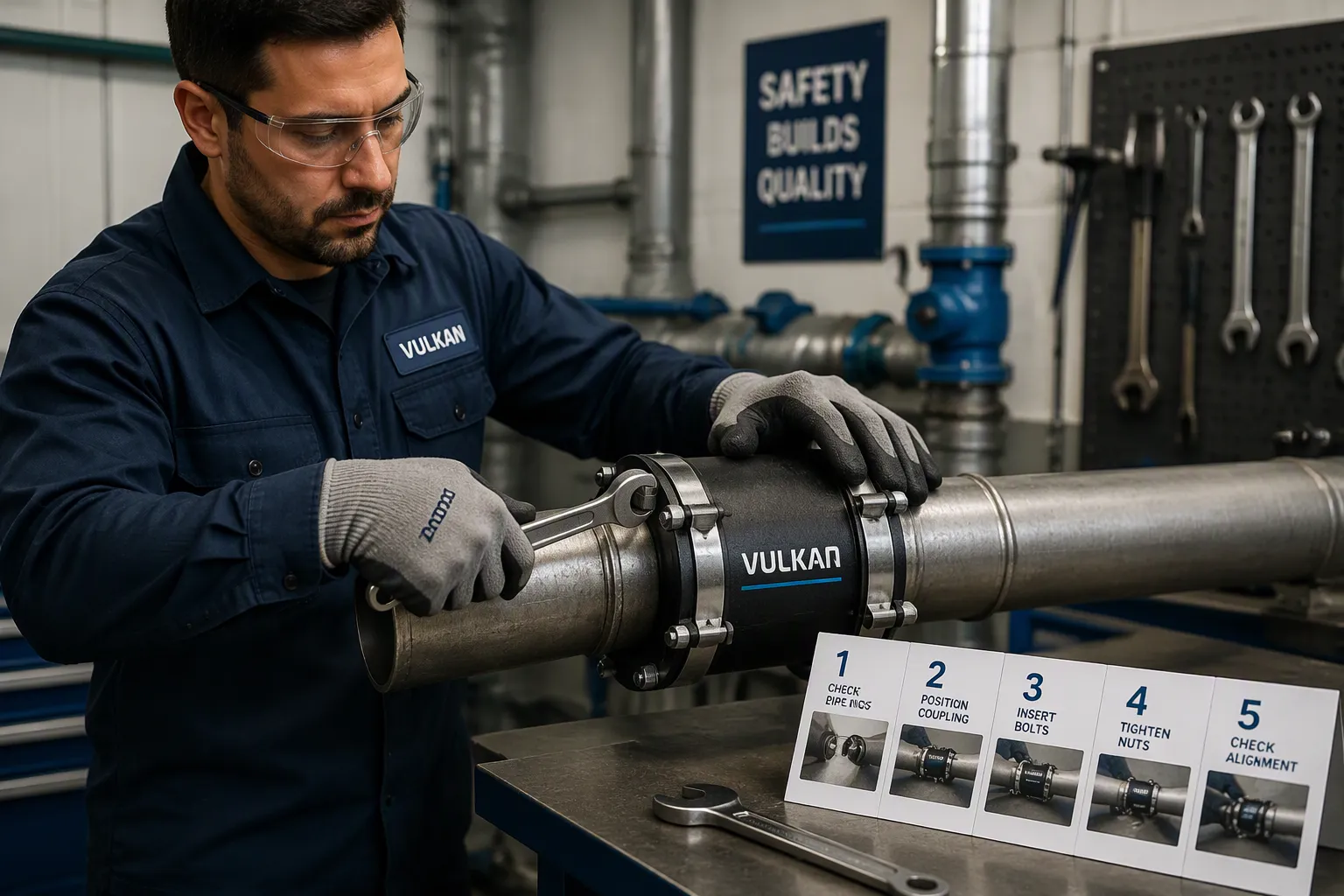
Use a wrench to tighten loose belts.
Make sure pulleys line up straight.
Replace any worn belts with new ones from YNF Rubber.
Tip: If you hear new noises or feel new vibrations, check your belts and pulleys first.
Clean filters
Dirty air filters can cause rough idling and make your engine work harder. This can lead to vibration and poor performance. You should check your air filter every few months.
Replace your air filter every 12,000 to 15,000 miles or once a year.
If you drive in dusty areas, change it more often.
Always follow your car’s owner’s manual for the best schedule.
A clean filter helps your engine breathe and keeps vibration away. YNF Rubber offers filters that fit most cars.
When to get help
Sometimes, a problem is too big to fix at home. If you see any of these warning signs, call a technician or mechanic right away:
Warning Sign | Implication |
|---|---|
Flashing check engine light | Indicates active catalytic converter damage |
Severe shaking or bucking | Multiple cylinder misfires |
Loss of power with shaking | Critical engine problems |
Burning smell or smoke | Potential fire hazard |
Metallic rattling with shaking | Possible mechanical failure |
Temperature gauge rising | Cooling system affected |
Multiple warning lights illuminated | Serious issues needing immediate attention |
If your car shakes a little but still drives, you can go to a shop nearby. If the shaking is strong or you see smoke, do not drive. Get your car towed to stay safe.
Remember: Fixing small problems early can save you money and keep your car running longer. If you ever feel unsure, it’s always smart to ask a professional for help.
Prevent engine vibration
Maintenance tips
You can keep your car running smoothly by following a few easy habits. Regular checks help you spot small problems before they turn into big ones. Start by looking under the hood every month. Check for loose wires, worn belts, or any leaks. Change your air filter and oil on schedule. Clean filters help your engine breathe better and reduce rough idling. Make sure your tires stay in good shape and have the right air pressure. Rotate them every few months to avoid uneven wear.
Here are some simple steps you can follow:
Inspect belts and hoses for cracks or fraying.
Listen for new noises when you start the engine.
Watch for dashboard warning lights.
Keep fluids topped up, like oil and coolant.
Schedule regular tune-ups with your mechanic.
Tip: Write down any changes you notice. Even small details can help you catch vibration engine issues early.
Early warning signs
You can spot trouble before it gets serious if you know what to look for. Early warning signs often show up as small changes in how your car feels or sounds. If you notice rough idling, pay attention. This can be the first sign of a problem.
Watch for these signs:
Unusual noises, like knocking or grinding, from the engine.
Dashboard warning lights turning on.
Loss of power or slow acceleration.
Fluid leaks under your car, such as oil or coolant.
Excessive exhaust smoke or changes in color.
Diesel engines may make clanking or clicking sounds from the crankcase. These noises can mean bearing wear or oil problems. Listen closely when you speed up or slow down. If you hear new patterns, it’s smart to get help soon. Early detection saves you money and keeps your car safe. When quick fixes do not work, a professional can prevent bigger repairs later.
Most vibration problems can be fixed with a simple checklist. First, do some quick checks at home. Next, find out what is causing the problem. Then, try easy fixes by yourself. Doing regular maintenance stops rough idling and keeps your engine strong. Acting early saves you money and stops big repairs. If you are not sure what to do, it is smart to ask a mechanic for help.
Fixing small problems early helps your car work better, last longer, and keeps you from getting stuck with surprise breakdowns.
Checking your engine often finds problems before they get worse.
Simple fixes and regular checks help your car use less fuel.
Taking care of your car now saves you more money later.
FAQ
Why does my car shake only when idling?
You might have worn spark plugs or dirty filters. Sometimes, loose engine mounts cause shaking at idle. Check these parts first. If the problem stays, ask a mechanic for help.
Can bad tires make my car vibrate?
Yes! Uneven or damaged tires often cause vibration. Check for flat spots, bulges, or low air pressure. Rotate your tires often to keep them in good shape.
How often should I check my engine mounts?
You should check your engine mounts every six months or if you notice new shaking or clunking sounds. Regular checks help you catch problems early.
What if the vibration gets worse while driving fast?
A table can help you spot the cause:
Speed | Possible Cause |
|---|---|
Low speeds | Tires, brakes |
High speeds | Unbalanced wheels, engine parts |
If vibration increases with speed, get your car checked soon.