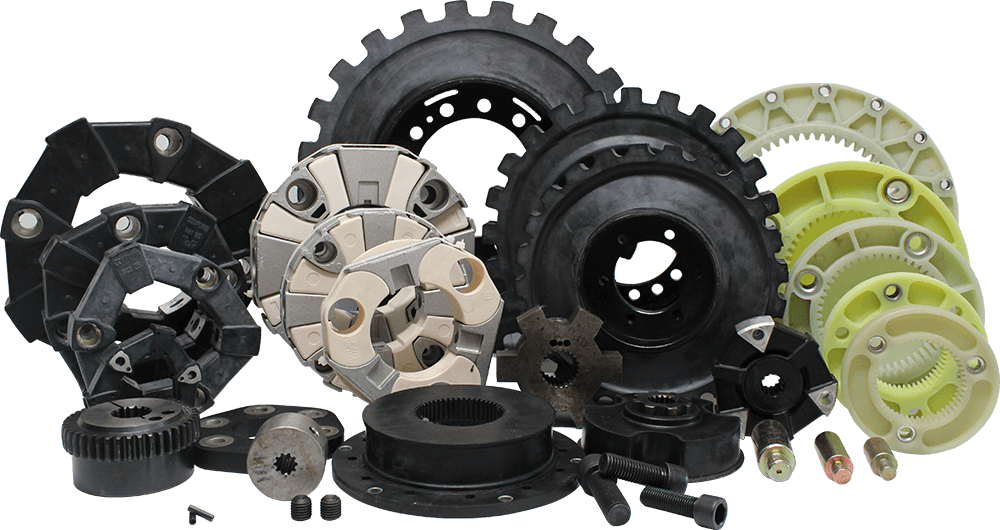

You use flanged rubber bushings to help moving parts. They also cut down on unwanted movement. The flange holds the bushing steady. The rubber takes in shock and vibration. These bushings deal with axial loads well. They also handle side forces better than many other choices. The rubber inside helps keep vibration away. This protects equipment and makes things run smoother. You count on flanged rubber bushings for good shock absorption. They work best where support and stability are important.
Key Takeaways
Flanged rubber bushings give strong support to moving parts. They stop parts from moving in ways they should not. This helps keep things steady. These bushings take in shocks and vibrations. This makes machines work better and last longer. Picking the right material and size is very important. It helps the bushings work well in different situations. Flanged bushings are simple to put in. They also lower noise, so machines run more quietly and smoothly. Think about how you will use them and how much weight they must hold. This helps you pick the best flanged rubber bushings for your needs.
Flanged Rubber Bushings Overview
What Is a Flanged Bushing
A flanged bushing gives strong support to moving parts. It has a flange, which is a wide edge on one end. The flange keeps the bushing from slipping out. You see flanged bushings in machines that face side and end forces. The flange helps handle axial loads, which push or pull along the shaft.
Rubber flange bushings use tough rubber to take in shocks and stop vibration. The rubber also helps protect other parts from wearing out. You find rubber bushings in many machines, vehicles, and tools. They help guide movement, keep parts in place, and make sure things stay lined up. Using rubber flange bushings helps your equipment last longer and work better.
Tip: The flange gives more stability and makes it easier to install. It helps keep things lined up and stops parts from moving out of place.
Structure and Features
A flanged bushing has a few main parts that help it work well:
The flange is the wide, flat end. It spreads pressure and keeps the bushing in place.
The main body is made of strong rubber. This rubber stands up to water, heat, oil, and wear. You can use rubber flange bushings in hard conditions.
The bushing’s shape and size can change for different jobs. You can get bushings in many sizes, shapes, and colors.
Here is a table that shows common features of rubber flange bushings:
Feature | Description |
|---|---|
Material | Neoprene, NBR, EPDM, silicone, and natural rubber are common choices. |
Hardness | Ranges from 25 to 90 Shore A for flexibility and strength. |
Temperature Resistance | Handles extreme heat and cold. |
Vibration Dampening | Absorbs vibrations to reduce noise and improve performance. |
Load Capacity | Supports heavy loads and keeps machinery stable. |
Customization | Comes in many sizes, shapes, and colors. |
Resistance Properties | Resists oil, heat, and abrasion for longer life. |
Rubber flange bushings do a few main things:
They support moving parts and keep them lined up.
They take in shocks and lower impact forces.
They cut down on vibration, so machines run smoother and quieter.
They help stop wear by lowering friction between parts.
When you use rubber bushings, your equipment lasts longer. Your machines also work better and safer. Flanged bushings are a good choice if you want strong support and less upkeep.
How Flanged Rubber Bushings Work
Vibration and Shock Absorption
Rubber flange bushings help control movement. They protect your equipment from damage. When you use a rubber bushing, it keeps vibration low. The rubber acts like a soft cushion. It bends and stretches when you push on it. This helps absorb energy from bumps and stops strong shocks.
Rubber can change shape when you press it. This spreads out the force.
The inside of the rubber bushing takes in energy. It makes vibrations and shocks weaker.
The outside of the rubber is firm but can stretch. This spreads energy over more space and keeps things safe.
Rubber flange bushings dampen vibration better than most other types. They work as vibration isolators. They keep machines quiet and smooth. The table below shows how flanged bushings and non-flanged bushings compare:
Feature | Flanged Rubber Bushings | Non-Flanged Rubber Bushings |
|---|---|---|
Vibration Isolation | Enhanced | Standard |
Material | SBR or EPDM | Varies |
Support for Axial Loads | Better | Moderate |
Lateral Movement Prevention | Yes | No |
Stability and Mounting
Flanged bushings give more stability. The flange is a wide rim at one end. This rim keeps the bushing in place. It gives extra support and stops sliding. You can trust flanged bushings to hold parts steady. They stop unwanted movement.
Flanged rubber bushings keep parts lined up. The flange controls movement between two surfaces. It lowers friction, so equipment lasts longer. These bushings work well in machines that need strong support and less wear.
Tip: Always check where you use rubber flange bushings. Heat, cold, or chemicals can change how rubber works. In tough places like farms or mines, you may need special bushings. These handle dirt and moisture. In clean areas, pick bushings that do not contaminate your system.
Rubber flange bushings give shock absorption and stability. You can count on them to keep machines running safely and smoothly.
Types and Materials of Bushings
Common Flanged Bushing Types
There are many kinds of rubber flange bushings. Each type is made for a special job. The table below shows the main types and what they do:
Type | Description |
|---|---|
Flanged Rubber Bushings | These have a flange that sticks out. The flange gives strong support and stops sideways movement. You see these in engines and vehicles a lot. |
Heavy-Duty Bushings | These use more rubber to last longer. They do not wear out fast and work well in hard places. |
Custom Rubber Bushings | These are made for special jobs. You can get them in different shapes and sizes for your project. |
You can also find plain flanged bushings. These have a simple shape and make things move smoothly. They help lower friction and stop parts from wearing out. Some flanged bushings have tubes or locks. These help stop vibration and keep the bushing in place when used a lot.
Note: Different rubber flange bushings fix different problems. Some have tubes to spread out force and stop wear. Others use friction or locks to keep things from moving. Pick the flanged bushing that fits your needs best.
Materials Used
Rubber bushings are made from different materials. Each material has its own special features. The table below lists common materials and what they do:
Material | Properties |
|---|---|
Natural Rubber | Stretches easily and does not tear fast. It can handle bending but does not last long in tough places. |
Styrene Butadiene Rubber (SBR) | This is strong and tough. It does not wear down fast and works well when things move a lot. |
Nitrile Butadiene Rubber (NBR) | This stands up to oil and fuel. It is strong but does not last long outside. |
Silicone Rubber | Handles hot and cold weather. It stays bendy and does not get hurt by sun or ozone. |
Ethylene Propylene Diene Monomer (EPDM) | Fights off sun, ozone, and bad weather. It stays bendy for a long time. |
The rubber you pick changes how your flanged bushing works. If you want less vibration, choose rubber that stretches well. For outside jobs, EPDM or silicone rubber lasts longer. NBR is best if you need to use oil or fuel. Picking the right rubber helps your bushings last longer and work better.
Rubber flange bushings work best when you pick the right material. The rubber you choose decides how well the bushing fights stress, chemicals, and weather. This helps your bushings last longer and do a better job. Some machines use flanged brass bushings, but rubber bushings bend more and stop vibration better. Custom rubber bushings help with special jobs. You can get bushings with tubes, locks, or rough ends for more support.
🛠️ Tip: Always check where you will use the rubber bushing. Heat, chemicals, and movement can change how bushings work. The right rubber bushing helps you get the best results.
You use rubber flange bushings for smooth movement, support, and to stop vibration. Flanged bushings and flanged brass bushings both help things move, but rubber flange bushings are better at stopping vibration and bending. Plain flanged bushings are good for easy jobs. Heavy-duty and custom rubber bushings help with hard jobs. You get the best results when you match the type and material to your needs.
Applications of Rubber Flange Bushings
Rubber flange bushings are important in many industries. You see them in cars, big machines, and building tools. These bushings help hold shafts, carry loads, and stop vibration. They keep machines working well and protect parts from damage.
Automotive and Machinery
Almost every car has rubber flange bushings. These bushings help control how parts move. They also stop parts from wearing out too fast. Here are some ways rubber bushings are used in cars:
They keep wires, pipes, and tubes safe from rubbing.
They help anti-roll bars work better.
They hold shock absorbers steady.
They are in double wishbone suspensions for a smoother ride.
Gear sticks use them for easier shifting.
Rubber flange bushings in car suspensions make rides quieter. They also cut down on shaking and bumps. This makes the ride more comfortable. A car usually has 10 to 20 rubber bushings in its suspension. These bushings help stop vibration and make driving safer.
In machines, rubber flange bushings support moving parts. They guide shafts and keep them straight. The flange keeps the bushing from slipping out. This design lets the bushing hold more weight. It also helps with side and end forces. These bushings help machines stay steady and break down less.
Industrial and Construction Uses
Rubber flange bushings are used in many machines and building tools. You find them where strength and long life are needed. Here is a table that shows where you use rubber flange bushings in different jobs:
Industry | Applications |
|---|---|
Automotive Industry | Suspension systems, engine mounts, automotive components |
Aerospace Industry | Aircraft landing gear, engine mounts, critical components |
Manufacturing Industry | Machinery, conveyor systems, manufacturing equipment |
You also see rubber bushings in:
Building and earthmoving machines like booms and hinges
Farm tools such as hydraulic cylinders and steering arms
Factory machines like conveyors and presses
Trains, especially in heavy joints and couplings
These uses help carry heavy loads and keep machines working longer. The flange helps the bushing hold more weight and stay in place. You get better support for moving parts, so there is less wear and fewer repairs.
Rubber flange bushings soak up shocks and lower noise in building machines. They protect your tools from damage caused by hard work and heavy loads. The rubber spreads out energy and lowers stress on other parts. This helps machines last longer and work better, even in tough places.
You can pick different rubber bushings for your needs. Some work best in wet or dirty spots. Others are good for high heat or chemicals. The right bushing gives you the best results and longest life for your tools.
💡 Tip: Always pick the right rubber flange bushing for your job. Check how much weight it must hold and where you will use it. Think about how your machine moves. This helps your bushings last longer and keeps your machines running well.
Rubber flange bushings are needed in many jobs. You use them to hold shafts, carry loads, and protect your tools from wearing out. These bushings help your cars, machines, and building tools work their best.
Benefits and Choosing the Right Bushing
Advantages of Flanged Rubber Bushings
Flanged rubber bushings give your machines many good things. They help your equipment last longer and work better. Here are some main benefits:
These bushings make machines much quieter. The rubber helps stop noise from vibration. You do not need to add oil, so they are easier to use than solid parts.
Rubber flange bushings soak up shocks and block vibration. They can take in 60-80% of strong vibration energy. For example, pumps with these bushings can lower noise from 85 dB to 72 dB. That is like changing from a loud vacuum to a normal talk.
These bushings are simple to put in. The flange keeps them steady and lines up your parts.
Your equipment does not wear out as fast. Rubber bushings protect other parts and mean you fix things less.
You can get special bushings for different jobs. Custom shapes and sizes help you solve hard problems.
Remember, rubber bushings can wear out over time. For very fast or heavy jobs, metal bushings may last longer. But rubber flange bushings are strong and work well for most uses.
Selection Tips
When you pick a flanged bushing, think about what you need. Here are some tips to help you choose:
Factor | Description |
|---|---|
Load Capacity | Make sure the bushing can hold the weight you need. |
Operating Conditions | Check the heat, speed, and place you use it. These things change how long your bushing will last. |
Material Compatibility | Pick a material that matches your machine parts. This stops wear or rust. |
Size and Fit | Use the right size to stop extra movement or sticking. |
Lubrication | Choose a bushing that works with your way of adding oil or grease. |
Try not to make these mistakes:
Common Mistakes in Selecting Flanged Rubber Bushings | Description |
|---|---|
Mismatch of Terminal Pad Size and Bolt-Hole Pattern | Bad fit can make hot spots and break the bushing. |
Inadequate Flange Specification | Loose bushings or leaks can let water in. |
Incorrect Gasket Material and Profile | Wrong material can crack or lose its shape. |
Ignoring Thermal Expansion Dynamics | Not planning for heat changes can break the bushing. |
Misunderstanding Electrical Parameters | Wrong ratings can cause big problems. |
🛠️ Tip: Always check the rules for your job. For example, use FDA 21 CFR 177.2600 for food, NSF 61 for water, or SAE J200 for car fuel systems. Pick the right rule, not just “food-grade” or “industrial.”
If you want special bushings or need help with heavy loads, you can ask YNF Rubber. They make custom flanged bushings for many jobs. Picking the right one gives you the best results and keeps your machines working well.
Flanged rubber bushings help machines by lowering vibration and taking in shocks. They also keep parts steady so things work well. To get the best results, pick the right type and material for your job. Think about these main points: vibration damping, shock absorption, and design features.
Vibration damping makes machines quieter.
Shock absorption keeps parts safe.
Design choices like rubber hardness and wall thickness change how bushings work.
The table below shows how picking different materials changes how bushings work:
Material Type | Shock Absorption | Durability | Load Capacity | Maintenance Needs |
|---|---|---|---|---|
Rubber | High | Moderate | Moderate | Low |
Polyurethane | Moderate | High | High | Moderate |
Use these tips to help your equipment last longer and work better.
FAQ
What is the main purpose of a flanged bushing?
You use a flanged bushing to support moving parts and keep them in place. The flange helps stop sideways movement. This design makes your machines safer and helps them last longer.
How do bushings reduce vibration in equipment?
Bushings made from rubber absorb shocks and lower vibration. You get smoother operation and less noise. The rubber material bends and stretches, which helps protect your equipment from damage.
Can you use a flanged bushing outdoors?
You can use a flanged bushing outside if you pick the right material. Some bushings resist water, heat, and chemicals. Always check the conditions before you choose. YNF Rubber offers bushings for outdoor use.
How do you choose the right bushings for your project?
You look at load, size, and material. Make sure the bushing fits your equipment and matches your needs. YNF Rubber can help you find bushings that work best for your job.
Where can you buy quality flanged bushing products?
You can buy flanged bushing products from YNF Rubber. They offer many types and sizes. You get help with selection and support for your project.