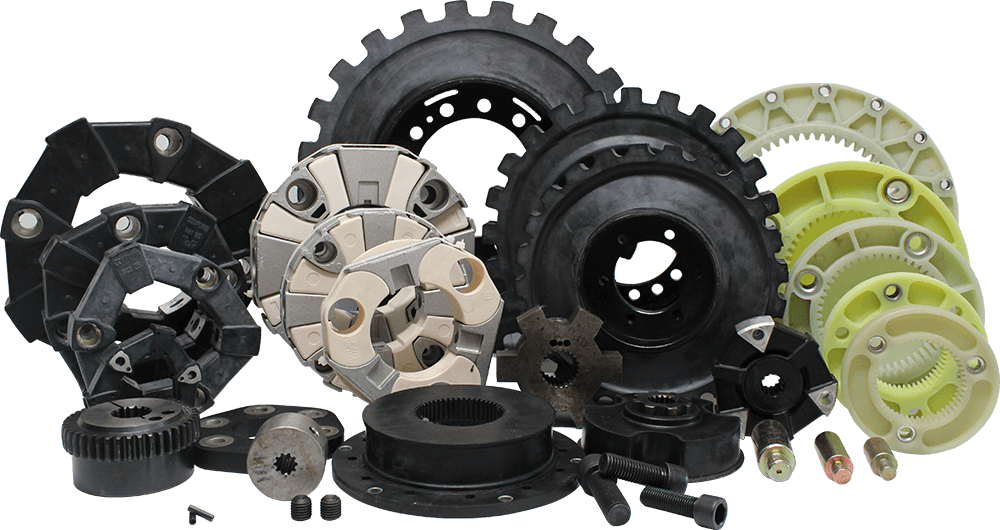

Rubber vibration damping uses special rubber to stop unwanted movement in machines. This method helps machines last longer and makes them quieter. Rubber dampers are great for stopping vibrations and lowering noise.
They can be made into many shapes for different jobs.
Newer rubber types work well in hard industrial places.
Rubber materials take in and let out vibration energy. This helps your equipment work well and smoothly.
Key Takeaways
Rubber vibration damping helps stop extra movement in machines. It makes machines quieter and helps them last longer.
To pick the right rubber damper, you need to know your machine’s vibration frequency. You also need to know how much weight it holds and what the environment is like.
Rubber dampers change vibration energy into heat. This lowers shaking and keeps equipment safe from harm.
There are different kinds of rubber, like natural rubber, neoprene, and EPDM. Each type has special benefits for different uses and places.
Checking rubber dampers often and replacing them when needed can stop expensive repairs. This helps machines work their best.
Vibration Damping Basics
What Is Vibration Damping
Vibration damping helps stop unwanted shaking in machines and buildings. Machines can shake when they work. This shaking is called vibration. Damping uses special things to soak up and remove the energy from shaking. It helps calm the movement so machines work better.
Damped vibration means the shaking energy gets soaked up and changed into heat or something else.
Engineers learn about damping because it helps keep machines safe and steady.
Controlling energy loss is needed to keep shaking under control.
Many things can make machines vibrate. Here are some usual causes:
Source | Description |
|---|---|
Imbalance | If spinning parts have uneven weight, the whole machine can shake. |
Misalignment | If parts do not match up right, they can shake when used. |
Looseness | Loose bolts or pieces can move and make more shaking. |
Environmental Factors | Outside things, like other machines or earthquakes, can make equipment shake. |
Why It Matters
Vibration damping helps machines work safely and smoothly. If you do not control vibration, machines can break faster, get louder, and even stop working. Damping helps in many ways:
It makes machines quieter, which is good where noise is a problem.
It keeps gears and moving parts from wearing out too fast.
It lowers the chance of sudden breakdowns, so work is safer.
It saves money because you do not need as many repairs.
In cars, good damping keeps you comfy by stopping engine and road shaking from reaching you. For motorcycles and bikes, damping at the handlebars makes riding smoother and less tiring. Using the right damping helps your machines last longer and work better every day.
Rubber Vibration Damping Explained
How Rubber Absorbs Vibrations
Rubber vibration damping works by handling energy in a special way. When a machine shakes, rubber dampers stretch and bend. This lets rubber soak up the shaking energy. Some of this energy turns into heat. This helps stop the shaking.
Rubber pads help many machines work better. You can find them in big machines, HVAC units, heavy compressors, and home appliances. These pads stop vibrations from spreading and protect the equipment.
Rubber is better than metal springs for vibration damping. Metal springs mostly store energy. Rubber can both absorb and release energy in different ways. This gives you more control over how much vibration passes through.
Here is a table that shows how rubber absorbs and gets rid of vibration energy:
Mechanism | Description |
|---|---|
Elasticity | Rubber stretches and goes back to its shape, soaking up energy. |
Energy Conversion | Rubber changes vibration energy into heat by friction and bending. |
Damping Properties | Rubber uses viscoelastic behavior to lower vibration passing through. |
The shape and thickness of a rubber damper are important. Thicker dampers can soak up more energy. The shape affects how well it blocks shaking. If your equipment’s natural frequency is much lower than the vibration frequency, you get good vibration absorption.
Viscoelastic Response and Heat Conversion
Rubber vibration damping works because rubber is viscoelastic. Viscoelastic means rubber acts like a spring and a thick liquid. When you push or pull on rubber, its long chains slide and bend. This makes friction inside, which turns energy into heat.
The slip-ring structure in rubber moves slowly and has a low glass transition temperature. This helps rubber dampers work well at different temperatures.
The sliding of the chains lets rubber lose energy when stretched or squeezed.
When you use rubber dampers, it takes more energy to stretch rubber than to let it relax. This is called hysteresis. The extra energy is lost as heat, which helps stop vibration.
Here is a table that shows how hysteresis works in rubber vibration damping:
Aspect | Description |
|---|---|
Hysteresis Loop | Shows how rubber loses energy when stretched and relaxed. |
Energy Requirement | It takes more energy to stretch rubber than to relax it, so some energy turns into heat. |
Application | This is important for shock absorption in vehicles and machines. |
Rubber vibration damping works well because rubber can turn mechanical energy into heat. This lowers the amount of vibration that gets through the damper. For example, tests show butyl rubber can cut vibration by up to 29 times compared to no damper. This makes rubber a great choice for controlling vibration in many places.
Tip: For the best vibration damping, pick the right thickness and shape for your rubber damper. Make sure the damper matches your equipment’s vibration frequency.
Properties of Rubber Dampers
Rubber dampers are good because of their special features. These features help stop unwanted shaking and loud sounds in machines. When you pick rubber dampers, you should know how elasticity, durometer, and hysteresis change how they work.
Elasticity and Durometer
Elasticity lets rubber dampers stretch and then go back to their shape. This helps them take in shocks and keep your machines safe. The durometer rating shows if a rubber damper is hard or soft. The durometer scale tells you how much force pushes into the rubber.
Here is a table that lists the most important features for rubber dampers:
Property | Description |
|---|---|
Elasticity and Resilience | Lets rubber bend and squeeze without breaking, which helps soak up energy. |
Damping Capacity | Shows how well rubber dampers take in and let out energy, lowering shaking. |
Temperature and Environmental Resistance | Helps rubber dampers last longer in tough places. |
Hardness and Compression Set | Softer rubber dampers soak up more, but harder ones hold heavier things. |
Rubber dampers with a lower durometer, like Shore A 40, are better at taking in shocks and making things quieter. These are good for anti-vibration pads. Harder rubber dampers, like Shore A 70, are better for heavy things or fast shaking, but they might wear out sooner. For most jobs, a middle durometer, like Shore A 40–60, gives a good mix of comfort and strength.
High Hysteresis Rubber
Hysteresis means rubber dampers lose some energy as heat when they bend. High hysteresis rubber dampers are great for stopping shaking because they take in more energy. These dampers do not bounce back fast, so they keep machines steady.
Rubber dampers with high hysteresis are great for taking in shocks.
They turn some shaking energy into heat, which stops too much movement.
Rubber dampers have built-in damping, so they are better than metal for many machines.
Tip: For the best vibration control, choose rubber dampers with high hysteresis and the right durometer for your needs.
Types of Rubber Dampers
When picking vibration damping rubber, you should know the main types. Each rubber damper type has things it does well and things it does not. Picking the right one helps machines last longer and work better.
Here is a table that shows the main types of rubber dampers:
Rubber Type | Vibration Dampening | Elasticity | Chemical Resistance | Temperature Resistance | Common Applications |
|---|---|---|---|---|---|
Natural Rubber | Excellent | High | Low | -40°C to 100°C | Automotive, Machinery, Industrial |
Neoprene | Good | Moderate | High | -40°C to 120°C | HVAC, Outdoor, Industrial |
EPDM | Moderate | Low | Excellent | -50°C to 150°C | Outdoor seals, Automotive gaskets |
Natural Rubber
Natural rubber dampers are used in machines that need strong vibration control. This rubber is very stretchy and soaks up shocks well. It works best where chemicals and sunlight will not hurt it.
Vibration dampers: Very stretchy and tough.
Conveyor belts: Lasts long and does not wear out fast.
Tires: Strong and bends easily.
Shock absorbers: Takes in energy well.
Rubber wheels: Bounces back and does not wear out quickly.
Natural rubber shock absorbers are great at stopping vibration, but they can get damaged by oil, chemicals, or sunlight. You should use them inside or where they are protected.
Neoprene
Neoprene rubber dampers are strong and bendy at the same time. They work well where there are oils, chemicals, or changing weather. Neoprene does not tear easily and lasts in hard places.
Neoprene stands up to oil, weather, heat, and chemicals. This makes it more useful than EPDM or Nitrile in places with many different things.
You can use neoprene rubber shock absorbers in HVAC, boats, and outdoor machines. They keep working even in sunlight or heat. Neoprene is a good pick if you need rubber that lasts in many places.
EPDM
EPDM rubber dampers are good for outdoor use. EPDM does not get hurt by sunlight, ozone, or very hot or cold weather. You can use EPDM rubber shock absorbers in outdoor seals, car gaskets, and on rooftops.
Property | Description |
|---|---|
Durability | EPDM keeps its shape and strength in bad weather. |
Resilience | EPDM soaks up vibration, so it is good for shock absorbers. |
Resistance to Environmental Factors | EPDM stands up to sunlight, ozone, and heat. |
If you need rubber dampers for outside, EPDM gives you long-lasting vibration control and protects from weather.
Choosing Rubber Dampers
Selection Factors
When you pick a rubber damper, you must think about a few key things. Each thing helps you find the best damper for your machine.
Vibration Frequency and Amplitude: You need to know how often your machine shakes and how strong it shakes. This helps you choose a damper that fits your system.
Load Capacity: Make sure the damper can hold your machine’s weight and force. If it is too weak, it will not protect your equipment.
Environmental Conditions: Check if your machine faces heat, cold, wetness, or chemicals. Some rubbers, like neoprene, can handle moisture and chemicals better.
Damping Coefficient: This shows how much energy the damper can take in and let out. A higher damping coefficient means better vibration control.
Natural Frequency: Every damper works best at a certain shaking speed. Match this to your machine for the best results.
Temperature Range: Pick a damper that works in the temperatures your machine faces. Some rubbers get weak in very hot or cold places.
Here is a table that shows how the environment changes rubber dampers:
Environmental Factor | Impact on Rubber Materials |
|---|---|
Temperature | Silicone rubber works well in very hot and cold places. Some rubbers get weak. |
Humidity | Wetness can hurt some rubbers. Neoprene does not get damaged by water. |
Chemical Exposure | Oils and chemicals can harm some rubbers. Neoprene and polyurethane can handle chemicals. |
Tip: For good vibration control, pick a damper that fits your machine and its environment. YNF Rubber has many rubber vibration dampers for different uses.
Matching to Application
You need to match the damper’s features to your machine and where it works. First, check the weight and force your machine makes. Pick a damper that can handle both still and moving loads. Look at the space for the damper. Make sure it fits and does not block other parts.
Think about how often and how strong your machine shakes. Choose a damper made for those levels. Good rubber with strong elasticity and toughness works best for hard jobs. If your machine faces chemicals or bad weather, pick a damper made from special rubber.
Engineers test rubber dampers by seeing how they work with different weights and temperatures. Squeezing and using the damper many times can make it stiffer and stronger. Good damping across many shaking speeds and temperatures means the damper will protect your machine better.
Common mistakes are not checking how the damper works, picking poor materials, and forgetting about putting it in and taking care of it. Always look for standards like ISO 9001:2015 to get a good product.
Note: Balancing price with long-lasting use helps you avoid early problems and saves money later.
Rubber vibration damping helps machines stay safe and quiet. It also helps them last longer. Rubber dampers soak up vibration and turn it into heat. This stops too much shaking. Studies show rubber dampers lower vibration and save money on repairs. They work in many places and jobs. When you choose a damper, look at how much your machine shakes. Check how heavy the load is. Think about where the machine is used. Good dampers last longer and help you spend less money.
Tip: Here is a checklist for picking a rubber damper:
Find out how often your machine shakes and how heavy it is.
Make sure the damper fits where your machine works.
Choose strong rubber for the best results.
FAQ
What does a rubber vibration damper do?
A rubber vibration damper absorbs shaking and reduces noise. You use it to protect machines and make them last longer. It also helps keep your work area quieter.
How do I know which rubber damper to choose?
You need to check your machine’s weight, how much it shakes, and where you use it. Pick a damper that matches these needs. If you need help, YNF Rubber offers many options.
Can rubber dampers work in hot or cold places?
Yes, some rubber dampers work well in extreme temperatures. EPDM and silicone rubber handle heat and cold better than natural rubber. Always check the temperature range before you buy.
How often should I replace rubber dampers?
You should check rubber dampers during regular maintenance. Replace them if you see cracks, hard spots, or if they stop working well. Good care helps them last longer.
Are rubber dampers better than metal ones?
Rubber dampers absorb more vibration and noise than metal ones. Metal dampers last longer in some cases, but rubber gives better comfort and protection for most machines.