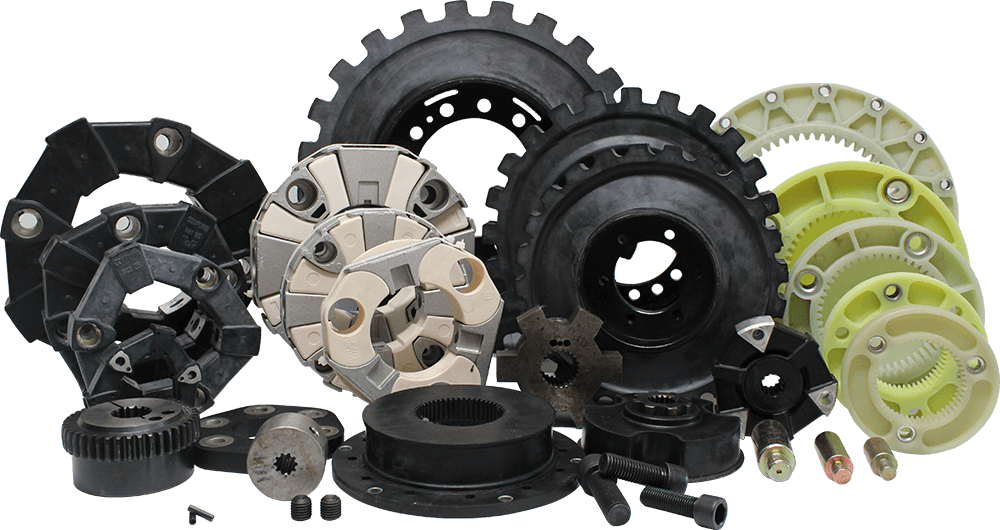

A vibration isolation bushing is a small part that stops unwanted vibration from moving between parts. You can find it in machines or cars. It works like a cushion and helps lower noise and shaking. Makers use materials like neoprene, silicone rubber, polyurethane, PVC, viscoelastic polymers, and metal alloys. Polyurethane is good at soaking up energy. Viscoelastic polymers are great at stopping shaking. These materials take in and spread out energy, so isolation works.
Key Takeaways
A vibration isolation bushing works like a soft pad. It stops unwanted shaking from moving between machine parts or cars.
Picking the right bushing material, like rubber or polyurethane, is very important. It helps the machine work well and last longer. The choice depends on what the machine needs.
Using vibration isolation bushings can help save money on repairs. They lower damage to equipment and help machines last longer.
There are different bushings for different jobs. Some are for cars and some are for factories. This helps control shaking in the best way.
Check bushings often and take care of them. Make sure they work well. Replace them if you see cracks or if they change shape.
Vibration Isolation Bushing

Definition
A vibration isolation bushing helps stop vibration from moving between two parts. This small part sits between the thing that shakes and the thing you want to protect. Its main job is to work like a cushion. It soaks up shocks and makes things quieter. Bushings are often made from rubber, polyurethane, or other stretchy stuff. These materials help the bushing take in energy. They also help machines run better and smoother.
Bushings are very important in machines. They give extra padding and help lower rubbing between parts. When you put in a vibration isolation bushing, your equipment can last longer. It also works better. If you do not use good isolation, machines can break down faster. They might need more repairs. Using bushings saves money on fixing things. It also helps you avoid stopping work for repairs.
How It Works
A vibration isolation bushing acts like a wall between shaking parts. When something vibrates in a machine, the bushing takes in the energy. It stops the shaking from reaching other parts. This keeps your equipment quiet and steady.
Tip: Always check how heavy and big your machine is before picking a bushing. The right size gives better isolation and helps your equipment last longer.
Here is a table that shows what a vibration isolation bushing does:
Function | Description |
|---|---|
Vibration Buffer | Works as a steady wall between the thing that shakes and the thing you want to protect. It stops shaking from passing through. |
Shock Absorption | Acts like a shock absorber. It lets machines work quietly and well. |
There are many ways a vibration isolation bushing helps your system:
It stops vibration from reaching sensitive parts.
It lowers unwanted shaking by making the system’s natural frequency less than the source.
It soaks up vibration energy to make impacts smaller.
New bushings use special materials and smart designs. Some use meta-materials for better control of vibration. Others use smart materials that can change when needed. Some systems let you change the setup for your needs. Some new bushings even use AI to watch and change isolation as needed.
Things like temperature and humidity can change how well a vibration isolation bushing works. High heat can change the shape of the bushing. Humidity can cause rust or damage the insulation. You should always think about these things when putting in bushings.
Testing rules help you check if a vibration isolation bushing is good. Some common tests are IEC 60068-2-57 for short vibration, IEC 60068-2-64 for random vibration, ASTM D3580 for up and down motion, and ASTM D5112 for side to side motion. These tests make sure bushings can handle real use.
Design is important if you want the best isolation. You need to match the bushing to your machine’s weight and size. You should also think about how often and how strong the vibration is. Things like heat and wetness matter a lot for how well it works.
If you put in a vibration isolation bushing the wrong way, you might lose its good effects. If it is not lined up right or not cared for, you can get more shaking and damage. Always follow the right steps to keep your bushings working well.
A vibration isolation bushing helps you follow noise and vibration rules. By soaking up and spreading out energy, bushings keep workers and equipment safe. This makes the workplace safer and helps machines last longer.
Types and Materials
Types
There are different kinds of vibration isolation bushings. Each kind is best for a certain job. Here are the main types you might find:
Rubber Vibration Isolator Mounts
These have strong rubber. You see them in car parts and HVAC systems. They are good for medium vibration.Spring Vibration Isolator Mounts
These use metal springs. They work well for big machines and fast shaking.Floor Mount Vibration Isolators
You put these under machines on the floor. They use rubber or springs to stop vibration from spreading.Hanger Mount Vibration Isolators
These are for things that hang from the ceiling. They keep vibration from moving through the building.Rubber and Spring Combination Mounts
These use both rubber and springs. You get the good parts of both for better control.
Tip: Pick the right bushing type for your machine. The right one helps your machine last longer and work better.
Materials
The material you pick for your bushing changes how it works. The two most used materials are rubber and polyurethane. Each one has good and bad points.
Material | Advantages | Disadvantages |
|---|---|---|
Rubber | Bends well and soaks up vibration. Costs less. Makes things quieter. | Does not last as long. Wears out faster. Not good for heavy things. |
Polyurethane | Lasts longer. Handles heavy things. You can pick how hard it is. | Costs more. Feels harder. Can be tough to put in. |
Rubber bushings make rides soft and quiet. They soak up shocks and cost less. But they wear out faster, especially with heavy machines.
Polyurethane bushings last longer. They work well with heavy loads and keep their shape. You can choose how hard they are. They cost more and can make rides feel harder.
Note: Think about comfort and how long you want your bushing to last. For cars and light machines, rubber is usually good. For big jobs, polyurethane is often better.
Applications

Automotive
You can find vibration isolation bushings in many cars. These bushings help lower noise and stop too much shaking. They keep parts from touching each other. They also let parts move but give some resistance. You see them in suspension systems, engine mounts, and steering parts. Hydraulic bushings soak up shaking from bumpy roads and the engine. This makes your car quieter inside and more comfy to ride in. Hydraulic bushings also help control how much the suspension moves. This helps your car handle better and stay steady.
Common automotive applications include:
Suspension arms
Engine mounts
Steering racks
Transmission mounts
Tip: For a smoother and quieter ride, pick bushings made for vibration isolation and vibration control.
Industrial
Factories and other places use vibration isolation bushings to keep machines safe. These bushings help protect important equipment and make it work better. You can find them in big machines, HVAC systems, and electronics. They stop shaking, lower noise, and help machines run well. In factories, bushings keep machines from shaking too much. This keeps both the machines and the area around them safe. Using vibration isolation in factories makes things quieter and safer.
Examples of industrial applications:
Industrial machinery: Keeps parts safe and helps machines work better
HVAC systems: Makes things quieter and stops shaking
Consumer electronics: Stops damage from shaking
Application | Purpose |
|---|---|
Industrial machines | Isolate vibration, protect components |
HVAC systems | Reduce noise, improve comfort |
Electronics | Prevent damage, extend device life |
Other Uses
Vibration isolation bushings are used in many other things too. Skateboards use rubber bushings to help with turning and tilting. This makes skateboards easier to use. Fans and blowers use bushings to stop shaking and keep them running smoothly. Tank bushings help seal tank connections. They also let tanks fit different sizes and stay flexible.
Other applications include:
Skateboards: Make turning easier
Fans and blowers: Lower shaking and noise
Tanks: Seal connections and add flexibility
Vibration isolation bushings are important in many places. They help stop unwanted shaking, lower noise, and keep equipment safe. Picking the right bushings helps you get more comfort, safety, and better performance.
Vibration Isolation Benefits
Noise Reduction
Vibration isolation bushings help make rooms quieter. They stop unwanted shaking from moving through walls and floors. When you put them in, they separate the source of vibration from the building. This helps control vibration and makes your room sound better. Rubber and elastomer take in energy and keep noise from spreading. You might see noise drop by 10 to 30 decibels or more. This gives you a calmer place and less noise from machines.
Vibration isolation bushings stop shaking from moving through buildings.
They use special stuff to block low sounds.
You get better sound and less noise in other rooms.
Tip: To make your workspace nicer, try adding vibration isolation systems to your machines.
Equipment Protection
Vibration isolation bushings help protect your machines. They lower wear and tear on your equipment. Using these bushings keeps machines running well and stops early breakdowns. Rubber bushings turn vibration into heat, which lowers stress on parts. Shock mounts also help by keeping strong forces away from your system. Your machines stay strong and last longer.
Vibration isolators lower damage from constant movement.
They help machines work better by stopping shaking.
Bushings soak up vibration and keep machines safe.
You can save money and keep machines working longer.
Note: Using vibration isolation bushings saves money and keeps your equipment working well.
Comparison to Vibration Isolation Mounts
You might wonder how bushings and vibration isolation mounts are different. Both help stop vibration and give similar benefits. Bushings fit between moving parts and act like a cushion. Mounts hold heavier things and use springs or rubber to take in energy. Bushings are good for small parts and joints that move. Mounts are best for big machines and things that do not move.
Feature | Bushings | Vibration Isolation Mounts |
|---|---|---|
Placement | Between moving parts | Under or around equipment |
Load Capacity | Light to medium | Medium to heavy |
Flexibility | High | Moderate |
Main Benefits | Cushioning, vibration control | Load support, vibration isolation |
Pick the right one for what you need. Bushings give you comfort and flexibility. Mounts give strong support for big machines. Both help lower noise and make your equipment last longer.
Selection Tips
Factors to Consider
When you pick a vibration isolation bushing, you need to think about a few key things. Each thing helps you get the best control over shaking for your machines. The right bushing keeps bad vibrations away and protects your equipment.
Here is a table that shows what to check:
Factor | Description | Importance |
|---|---|---|
Hardness | Tells how stiff the rubber is. | Changes how well the bushing soaks up vibration. |
Geometry | The shape and style of the bushing. | Helps the bushing fit your needs for load and movement. |
Bonding Method | How the rubber sticks to metal parts. | Makes the bushing last longer and stay strong. |
Load Capacity | The most force the bushing can take. | Keeps the bushing working with heavy loads. |
Application Needs | Includes vibration frequency, amplitude, temperature, and chemical exposure. | Matches the bushing to your special needs. |
You should also check the lowest vibration frequency and the weight each spot holds. These details help you pick a bushing that works well with your system.
If you pick the wrong bushing, you might see problems like the rubber breaking, glue coming apart, heat damage, or chemical harm. These problems can make your isolation fail and let bad vibrations hurt your machines.
Choosing the Right Bushing
You can follow some easy steps to pick the best vibration isolation bushing for your needs:
Find out what kind of equipment you have.
Check the weight and movement your machine needs.
Look at where you will put the bushings.
Make sure the bushings match your vibration and isolation needs.
Ask a trusted supplier before you buy.
YNF Rubber sells good vibration isolation bushings for many uses. You can ask their experts for help with vibration control and isolation. They help you find the right bushing for your machines.
You should always match the weight the bushing can hold and how it handles different vibration speeds to your needs. The bushing must handle the weight and work well with different kinds of shaking. This keeps your isolation strong and your machines safe.
Tip: Picking the right bushing helps you stop damage and keeps your vibration isolation systems working well.
Vibration isolation bushings help keep machines safe and quiet. They stop unwanted movement that can make bolts loose. This also keeps sensitive parts from getting damaged. If machines shake too much, you can lose time and money. Rubber, foam, and polyurethane take in energy and move it away. This helps protect your equipment from harm.
Picking the right bushing saves money on repairs. It also helps your machines last longer.
You can stop breakdowns and keep things working well.
Always think about what you need before you choose a bushing. Look at how heavy your machine is, how much it shakes, and where you use it. YNF Rubber can help you pick the best bushing for your job. When you choose well, your machines work better and last longer.
FAQ
What does a vibration isolation bushing do?
A vibration isolation bushing takes in shaking between parts. It helps lower noise and makes machines run smoother. This keeps your equipment safe and helps it last longer.
How do you know when to replace a bushing?
Look for cracks or hard spots on the bushing. Check if its shape looks different. If you hear more noise or feel more shaking, it might be time to change it. Checking often helps you find problems early.
Can you use vibration isolation bushings in home appliances?
Yes, you can use these bushings in things like washing machines and fans. They help make less noise and keep moving parts safe from harm.
What material should you choose for heavy machines?
For heavy machines, pick polyurethane bushings. They last longer and hold more weight than rubber ones. Always choose a bushing that fits your machine’s needs.
Where can you buy quality vibration isolation bushings?
You can buy good vibration isolation bushings from YNF Rubber. They give expert help and have many products for different jobs.