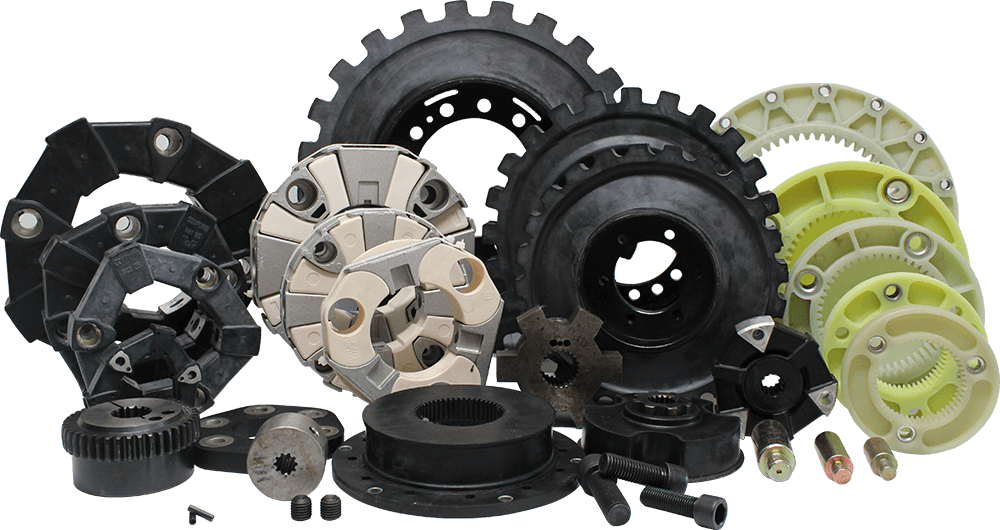

A vibration isolator helps stop unwanted movement from getting to sensitive equipment or spaces. You use it to block vibrations. These vibrations often come from things like:
Ground vibration
Acoustic noise
Direct force disturbances
When you use vibration isolation, you protect machines and people from shaking or loud sounds. Many industries want better vibration isolators. They want quieter buildings, smoother machines, and safer places. In the last few years, more people are buying these devices, as shown below:
Year | Market Size (in billion USD) | CAGR (%) |
|---|---|---|
2024 | 2.39 | N/A |
2025 | 2.57 | 7.6 |
2029 | 3.41 | 7.3 |
Key Takeaways
A vibration isolator stops unwanted shaking and noise from reaching important equipment. This helps protect machines and makes things more comfortable.
Vibration isolators use materials like rubber, neoprene, and silicone. Each material has special benefits for different uses.
Picking the right vibration isolator is very important. You should think about the kind of vibration and the equipment’s weight. This helps make sure the isolator works well.
Using vibration isolation can make equipment last longer. It can also lower noise and make work and home areas safer.
It is important to check vibration isolators often. This helps them work right and keep your equipment safe.
Vibration Isolator Basics
What Is a Vibration Isolator
A vibration isolator is a device that stops vibrations from spreading. It keeps an object apart from where the vibration starts. This helps protect sensitive equipment or spaces from shaking. The main purpose is to cut down on movement, shaking, or noise that gets through.
Vibration isolators come in many shapes and are made from different materials. Some common ones are rubber, neoprene, silicone, and special elastomers. Each material has its own features:
Rubber
It bends easily and soaks up energy.
You see it in cars, machines, and buildings.
It lasts a long time and works in hot or cold places.
Sunlight can make it wear out.
Neoprene
It stands up to oil, heat, and getting old.
It works well in tough places.
It is not as bendy as rubber.
Silicone
It can handle very high heat.
It is used in planes and medical tools.
It costs more than rubber.
Elastomers
They last a long time and soak up shaking.
You find them in machines and car parts.
Some vibration isolators use both rubber and metal. These give strong support and block shaking well. Sorbothane is another material that works great for pads and dampers. It lasts longer and soaks up more energy.
Material Type | Properties | Applications |
|---|---|---|
Rubber + Metal | Damping + support | Machinery, HVAC, transportation |
Sorbothane | Wide temperature range, high damping | Pads, dampers, shock absorbers |
Rubber | Flexible, absorbs energy | Engine mounts, machines |
Neoprene | Oil, heat, aging resistance | Industrial, automotive |
Silicone | High heat resistance, flexible | Aerospace, medical, automotive |
Elastomers | Elastic, durable | Machinery mounts, suspension |
Tip: When picking a vibration isolator, check the material and if it fits your job. YNF Rubber has many types for different uses.
How It Works
Vibration isolation keeps shaking from reaching places where it causes trouble. You put a vibration isolator between the source and what you want to protect. The device soaks up or blocks the movement.
Here are the main ideas behind vibration isolation:
It lowers the force that moves from the source to the receiver.
The goal is to make the shaking or noise smaller.
The transmissibility ratio tells how much force gets past the isolator.
The natural frequency of the vibration isolator is important. You want this frequency lower than the vibration source’s frequency. This makes the isolator work better.
Isolation efficiency shows how much the isolator cuts down the force or motion.
There are two main kinds of vibration isolation systems:
Passive systems use springs, dampers, and mounts to soak up energy.
Springs (coil or leaf) push back when pressed.
Dampers (viscous or friction) take in shaking energy.
Elastomeric mounts mix spring and damping features.
Active systems use sensors and actuators.
Sensors find vibrations.
Actuators push against the movement.
Control algorithms choose how to react.
How a vibration isolator works depends on its natural frequency. If the vibration source’s frequency is much higher, the isolator blocks most of the force. If the source frequency is close to the natural frequency, damping matters more. More damping means less force gets through.
You can see this in a simple equation:mx¨ + cx˙ + kx = F(t)
Here, m is the mass, c is the damping, k is the spring stiffness, and F(t) is the outside force.
Note: If you install a vibration isolator the wrong way, or pick the wrong kind, it may not work well. Pick the right design and keep it in good shape.
Types

Mechanical
Mechanical vibration isolators use solid stuff to stop or soak up shaking. You often see rubber and metal spring isolators in factories. Rubber isolators are good for pumps and fans. They are stretchy and soak up shaking energy. Metal spring isolators hold heavy things and last a long time. These isolators help keep machines safe from moving out of place. They also make work areas quieter.
Here is a quick comparison:
Type | Characteristics | Applications |
|---|---|---|
Excellent elasticity, absorbs vibration well | Pumps, fans, manufacturing industries | |
Metal Spring Isolators | Strong, stable, supports heavy loads | Industrial machinery, compressors |
Hydraulic Isolators | Uses liquid for stable, precise control | Aerospace, precision machinery |
Mechanical isolators have many good points: They keep machines safe from shaking and mistakes. They make things quieter. They help meet building rules for shaking.
But you need to pick the right material. Elastomers do not work for every job. Metal springs can be too soft sometimes.
Tip: YNF Rubber has many kinds of mechanical vibration isolators for different jobs.
Air and Fluid
Air and fluid vibration isolators use air or liquid to soak up and spread shaking. Pneumatic isolators use air to cushion and keep machines away from shaking. These isolators are good for low shaking and can change for different weights. Air springs can keep your system safe from outside shaking. Mechanical types may not do this as well.
Type of Isolator | Frequency Range | Effectiveness | Limitations |
|---|---|---|---|
Rubber Isolators | High Frequencies | Great for noise reduction | Less effective at low frequencies |
Spring Isolators | Low to Medium Frequencies | Handles heavy loads, durable | Not as good at high frequencies |
Air Mounts | Low Frequencies | Excellent adaptability | Needs constant air, limited high-frequency damping |
Hydraulic isolators are used where you need things to be very exact, like in labs or planes. These isolators use liquid to work smoothly.
Note: Air and fluid isolators may need more care than mechanical ones. But they give better shaking control for sensitive machines.
Everyday Uses
You use vibration isolators in many things every day. Floor joist isolators and underlayment help make buildings quieter. Soundproofing insulation stops sound from moving between rooms. In factories, vibration isolators protect machines and help them last longer.
Here are some common uses: Precision machines have fewer mistakes because of less shaking. Labs and research places get better results. Heavy machines last longer and break less. Data centers keep servers safe and working. Audio setups sound better and have less noise.
Product Type | Benefits |
|---|---|
Floor Joist Isolators | Noise reduction, better acoustics |
Floor Underlayment | Longer equipment life |
Soundproofing Insulation | Less sound transmission |
If you want good vibration isolators for your home or work, YNF Rubber has options for both big and small needs.
Benefits
Equipment Protection
Vibration isolation keeps your equipment safe from harm. It stops unwanted shaking from reaching sensitive machines. This helps your machines last longer and work better. Vibration isolators take in energy and spread it out. Your machines do not wear out as fast. You spend less money fixing them and have fewer problems.
Here is a table that shows how different ways can lower vibration:
Vibration Reduction Method | Initial Vibration Level | Reduced Vibration Level |
|---|---|---|
Two MFC actuators | 1.0 | 0.3 |
Quasi-zero-stiffness isolators | 1.0 | 0.22 |
Unimorph piezoelectric driver | 1.0 | 0.37 |
You can see vibration isolation really helps. These systems protect your machines and keep them running well.
Vibration isolators take in shaking energy and stop it from reaching important equipment.
They help cut down on damage and wear.
This means you pay less for repairs and have fewer surprises.
YNF Rubber has good options to keep your equipment safe.
Comfort and Safety
Vibration isolation makes places more comfortable and safe. It helps in workspaces, cars, and buildings. When you use vibration isolators, you get less noise and shaking. This makes things quieter and safer for everyone.
Noise drops from 95 dB to 78 dB, which is safe for workers.
Shaking in buildings goes down by 65%, so machines last longer.
Workers feel less tired and can do their jobs better.
Machines break less because there is less stress from shaking.
You also hear less noise at home or at work. Vibration isolators stop shaking from spreading, so your space is peaceful. They take in shocks and stop rattling, making things more comfortable.
Performance
Vibration isolation helps machines work better and more accurately. It saves energy and keeps things running smoothly.
Vibration isolators stop machines from wearing out fast, so you save money.
They help machines work well and use less energy.
Special dampening keeps things precise in important jobs.
Big projects use vibration isolation to help the environment. You can use new machines and noise barriers to make less noise. You tell people about your project and use quiet roads. These steps make your project safer and better for everyone.
If you want your machines to work better and last longer, YNF Rubber has solutions for you.
Isolator vs. Damper
Key Differences
You may ask how vibration isolators and dampers are not the same. Both help control vibration, but they work in different ways. Vibration isolators give flexible support to stop unwanted vibrations from moving to other places. Dampers focus on soaking up and spreading out energy from shaking.
Here is a simple table to show the main differences:
Feature | Vibration Isolator | Damper |
|---|---|---|
Function | Reduces transmission of vibrations | Dissipates kinetic energy |
Application | Used in pumps, compressors, HVAC systems | Used in automotive suspensions, industrial machinery |
Purpose | Protects sensitive equipment by isolating vibrations | Protects equipment by reducing vibration amplitude |
Vibration isolators are best when you want to block vibration from reaching something important. They stop the path of shaking and keep things safe. Dampers are good when you need to make shaking weaker very fast. Studies show that negative stiffness dampers and inerter dampers both help lower vibration, but each has its own best use. Negative stiffness dampers can lower more vibration energy than some other types.
Tip: If you want to keep equipment safe from shaking, pick the right tool for your job. YNF Rubber has both isolators and dampers for many uses.
When to Use Each
You should choose a vibration isolator or a damper based on what you need. Use vibration isolators if you want to stop shaking from getting to sensitive spots. For example, neoprene mounts are good for strong support like concrete slabs. Springs work better for higher floors that shake more.
Here is a quick guide:
Isolation Method | Scenario | Description |
|---|---|---|
Neoprene Mounts | Stiff Support Structures | Suitable for equipment located on very stiff support structures like ground-supported concrete slabs. |
Springs | Upper Building Levels | Necessary for upper building levels that are more susceptible to vibrations. |
Pick dampers if you want to make moving parts shake less. Cars and big machines often use dampers to stay steady. Tuned mass dampers cost more at first, but they save money later because you do not need as many repairs. This makes them a smart choice for big jobs.
Both vibration isolation and damping are important. You need to know your equipment and where it is before you choose. YNF Rubber can help you find the best answer for your needs.
Now you know vibration isolators help stop unwanted movement. They keep your equipment safe from shaking. They do this by making the system’s natural frequency lower. This blocks bad shaking from getting through. Here is a simple table to help you remember:
Main Point | Description |
|---|---|
Definition | Vibration isolation keeps movement away from your equipment. |
Function | Isolators make the system’s natural frequency lower to block shaking. |
Importance | They keep machines safe, cut down noise, and help things last longer. |
Benefits | You get better work, safer moves, and spend less money. |
You will notice less noise, longer machine life, and safer places. If you want more facts, the Encyclopedia of Vibration has good articles. YNF Rubber has many isolators you can trust for your needs.
FAQ
What is the main job of a vibration isolator?
A vibration isolator stops shaking from reaching your equipment. It helps protect machines, buildings, and homes from movement and noise.
How do you choose the right vibration isolator?
Think about how heavy your equipment is. Decide what kind of vibration you want to block. Look at the material and shape. YNF Rubber has many choices for different jobs.
Can you give examples of vibration isolation in daily life?
You find vibration isolation in washing machine pads. Car engine mounts use it too. Building floors also have vibration isolators. These keep noise and shaking from spreading.
Do vibration isolators need maintenance?
Yes, you should check them often for damage or wear. Clean them and replace them if they look cracked or old. This helps your equipment stay safe and work well.
Where can you buy quality vibration isolators?
YNF Rubber sells many kinds of vibration isolators. They have products for homes, factories, and special machines.