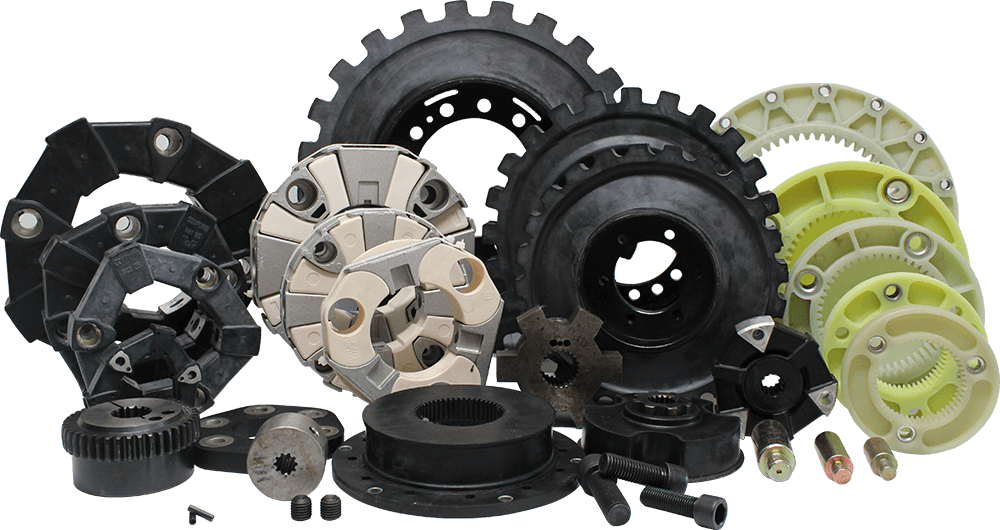

A vibration mount has rubber that helps stop shaking in machines. You use vibration mounts rubber to keep equipment safe from shaking and loud sounds. Vibration isolation helps stop damage and lets machines work well.
Many industries use these mounts to make things safer and help equipment last longer.
Key Takeaways
Rubber vibration mounts take in shaking and sound. They help machines run smoother and last longer. Picking the right vibration mount depends on how heavy the equipment is. It also depends on what kind of shaking it will get. Using anti-vibration mounts can lower repair costs. They can also make things safer in many industries.
Vibration Mounts Rubber Overview

What Is a Vibration Mount
A vibration mount helps protect machines from shaking and noise. Its main job is to soak up and block vibration. When you put in a vibration mount, it works like a soft pad between the machine and the floor. This pad stops most of the shaking from spreading around. You can see rubber mounts in engines, pumps, and air conditioners. These mounts help machines stay steady and keep their parts lined up right.
Tip: Anti-vibration mounts can help your equipment last longer and make it safer.
Here are some basic things a vibration mount does:
Stops vibration from spreading to other places.
Softens hard hits to protect machine parts.
Keeps machines steady and lined up for better work.
Protects the base from getting hurt by repeated hits.
Construction and Materials
Most vibration mounts rubber have two main pieces: a metal center and a rubber cover. The metal center gives the mount strength and holds it together. The rubber cover soaks up and calms down vibration. This setup helps stop shaking and keeps machines working well.
Component | Function |
|---|---|
Metal core | Gives strength and support |
Rubber jacket | Soaks up and calms vibrations |
Rubber mounts use different materials for different jobs. Here is a table that shows common materials and what they do:
Material | Properties | Applications | Advantages | Disadvantages |
|---|---|---|---|---|
Rubber | Very bendy and soaks up energy well. | Car engine mounts, machines, building work | Lasts long, not costly, works in many temps. | Gets worse with sun and very hot or cold weather. |
Neoprene | Stands up to oil, heat, and getting old; good at stopping vibration. | Factory machines, car parts | Handles tough places well. | Not as bendy as rubber. |
Silicone | Bendy, stands up to high heat, keeps its shape. | Planes, cars, medical tools | Handles heat and getting old very well. | Costs more and wears out faster under stress. |
Elastomers | Stretchy and great for soaking up shakes. | Machine mounts, car suspensions | Lasts long and soaks up energy well. | Can cost more than regular rubber. |
Rubber can stretch and change shape when pressed, which helps it soak up movement. Rubber can also turn movement into heat, so shaking does not move to other places. This means less noise and better isolation. When picking vibration mounts rubber, think about things like how hot or cold it gets, if it needs to handle oil, and if it will be in the sun. These things help you choose the best mount for your job.
Vibration Isolation and How It Works
Vibration Isolation Mounts Principle
Vibration isolation helps keep equipment safe from shaking. Vibration mounts rubber stop vibration before it reaches important parts. When you put in a mount, it acts like a wall that blocks shaking. This lowers damage and makes things quieter.
Vibration isolation mounts use bendy materials like rubber or polyurethane. These materials squeeze and soak up energy. Less vibration gets to your equipment, so it lasts longer. You also get better performance and less noise.
Here are the main science ideas for how vibration isolation mounts work:
Damping: The mount takes in vibration and turns it into heat. This lowers the force that hits your equipment.
Spring action: The mount works like a spring. It stretches and squeezes, which spreads out energy and cuts down vibration.
Elastomeric properties: Rubber mounts mix damping and spring action. This makes them great for stopping vibration.
Note: Vibration isolation keeps delicate things safe from too much shaking. It also stops vibration from spreading to other places. The goal is to lower the forces that move through the mount.
People test how well vibration isolation works in labs and real places. They use sensors to check vibration levels. They look at vibration before and after putting in the mount. They see how much the mount cuts vibration at different speeds and when things hit hard.
Step | Description |
|---|---|
1 | Use a sensor to check vibration before the mount. |
2 | Look at vibration during normal use. |
3 | Check vibration after adding the mount. |
4 | Test vibration when running at full speed. |
5 | Compare vibration with and without the mount. |
6 | Test vibration from loud nearby machines. |
7 | Drop a steel ball to see impact vibration. |
8 | Measure how well the mount stops impact vibration. |
Rubber’s Damping Properties
Rubber mounts are important for vibration isolation because they dampen shaking well. When you use rubber mounts, you get strong support and good vibration control. Rubber can stretch and squeeze, which helps it soak up shaking and cut movement.
Different rubbers have different damping strengths. You pick the right one for your needs. Here is a table that shows how each type works:
Rubber Type | Damping Properties | Applications |
|---|---|---|
Natural Rubber | Very stretchy and strong | Cars (engine mounts, suspension) |
Neoprene Rubber | Good at damping, stands up to oil and chemicals | Factories (machine mounts) |
EPDM Rubber | Great at damping, resists heat and ozone | Building, cars, HVAC |
Silicone Rubber | Flexible, less damping, handles high heat | Car engines, electrical insulation |
Butyl Rubber | Excellent at stopping vibration, keeps out gases | Tires, soundproofing |
Rubber mounts work best at certain speeds of vibration. At low speeds, the mount stays stiff and blocks shaking well. At high speeds, wave effects and resonance can happen. You might see more movement and faster wear at these speeds.
“At low speeds, stiffness controls how the mount works. At high speeds, wave effects and resonance can change how the mount blocks vibration. These changes may make the rubber wear out faster.”
Temperature changes how well rubber mounts work. When it gets hotter or colder, rubber’s ability to dampen vibration changes too. You need to pick the right mount for your weather to get the best results.
You also need to think about how heavy your equipment is. Bigger machines need mounts that hold more weight and keep things steady. You get better vibration isolation when you match the mount to the equipment’s weight.
Using anti-vibration mounts and rubber mounts helps you lower vibration, protect your machines, and cut noise. You also get longer life for your equipment and better performance.
Types and Applications

Types of Vibration Mounts Rubber
There are many kinds of vibration mounts for different jobs. Each type helps stop vibrations from moving to other places. They also protect machines and equipment. Here are some common types you might see:
Rubber vibration isolator mounts use rubber’s stretchiness to soak up shaking. You find these in HVAC systems, generators, cars, and electronics.
Spring vibration isolator mounts use metal springs for heavy things and fast shaking. These are good for big machines.
Hanger mount vibration isolators mix rubber and metal. You use these for things that hang from ceilings to hold up equipment.
VHD high load vibration isolators and VHDL excessive load vibration dampers work with very heavy loads in factories.
SML/SMLS heavy duty machinery mounts hold up large machines like crushers and shakers.
VTMS anti-vibration mounts are best for heavy machines that cannot be too tall.
When you pick a vibration mount, think about how much weight it needs to hold. Also think about what kind of shaking it will face and where you will use it. Picking the right mount helps you get less vibration and better support.
Tip: YNF Rubber makes strong rubber mounts for many jobs. Their products help control vibration and last a long time.
Uses in Industry
Rubber mounts are important in many industries. You use them to hold up machines, cut down shaking, and make things work better. Here is a table that shows how different industries use vibration mounts rubber:
Industrial Sector | Purpose |
|---|---|
Automotive Manufacturing | Soak up shaking during making for better quality |
HVAC Systems | Hold and separate equipment, lower noise and shaking |
Heavy-Duty Construction Equipment | Soak up hits and shaking for safety and steadiness |
Industrial Machinery | Keep delicate machines safe from shaking and harm |
You also see rubber mounts when setting up machines, in car parts, and in climate control systems. Anti-vibration mounts help keep machines steady and make less noise.
Benefits of Vibration Isolation
Using vibration isolation mounts and vibration dampening mounts gives you many good things:
You get less noise and shaking at work.
You keep machines and equipment safe from harm and wearing out.
You get better work and longer life for your machines.
You spend less on fixing things and have fewer stops.
You make work safer and more comfortable for people.
Rubber mounts soak up and calm shaking, so you get less noise and better isolation. Anti-vibration mounts also help stop shaking from moving to other places, so your machines last longer. Taking care of your mounts and picking the right one helps your equipment work its best.
Rubber mounts help machines last longer and make less noise.
These mounts soak up shaking, cut down noise, and protect equipment.
Some people think harder mounts work better, but that is not always right.
You should look at what your machine needs and where it will be used before picking a mount.
Solution Type | Isolation | Longevity | Noise | Cost |
|---|---|---|---|---|
Rubber Mounts | High | High | High | Medium |
YNF Rubber gives strong vibration control for many jobs.
FAQ
What are vibration isolation mounts used for?
Vibration isolation mounts stop shaking from spreading. They help machines work better. These mounts also make machines last longer. They lower noise in equipment.
How do vibration isolation mounts work?
Vibration isolation mounts soak up shaking. They use rubber or other soft stuff. These mounts change movement into heat. They help keep machines steady.
Can you use vibration isolation mounts for heavy equipment?
Yes, you can use these mounts for big machines. Vibration isolation mounts give strong support. They help heavy machines stay safe. These mounts protect your equipment.
Tip: Anti-vibration mounts can help even more with noise and shaking.