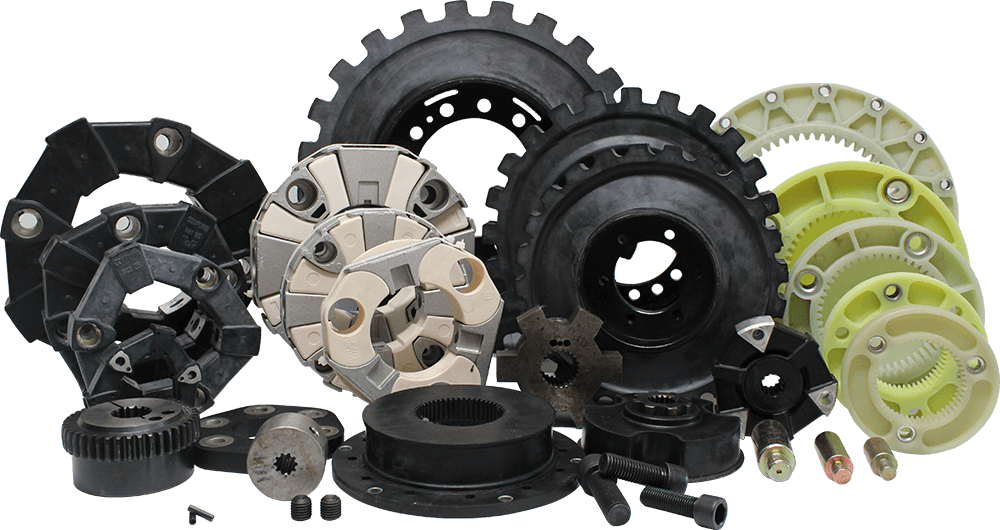

A metal bushing helps lower friction when two surfaces slide. People also call it a plain bearing or sleeve bearing. Its main job is to reduce vibration and noise. This helps engines and moving parts last longer.
A bushing is a simple, tube-shaped part. It fits between moving parts to help them move easily.
Bushings are found in many machines you use daily.
Market Segment | Market Size (2024) | Projected Size (2032) | CAGR (%) |
|---|---|---|---|
Automotive Bushing | $158.28 billion | $240.35 billion | 5.3% |
Key Takeaways
Metal bushings help parts move with less friction. This makes machines work better and last longer. Picking the right bushing type is very important. You can choose plain, flanged, or grooved bushings. The right choice helps machines work their best. Steel bushings are tough and last a long time. They are good for heavy loads and strong pressure. It is important to take care of bushings often. Clean them and check if they are worn out. This keeps machines safe and working well. Bushings also make machines quieter and shake less. They protect costly machine parts from getting damaged.
Metal Bushing Basics

What Is a Metal Bushing
You can think of a metal bushing as a simple but important part in many machines. This part looks like a small, hollow tube or sleeve. You place it between two moving parts, such as a shaft and a housing. The main job of a metal bushing is to help these parts move smoothly against each other. When you use a metal bushing, you lower friction and help prevent damage from constant rubbing.
You often find bushings in places where parts slide or rotate. For example, you see them in car engines, industrial machines, and even in some home appliances. Steel bushings are popular because they offer strong support and high wear resistance. This means they last longer, even when you use them in tough conditions.
Structure and Function
A metal bushing comes in different shapes and designs to fit many needs. Here are the main types you might see:
Plain Bushings: These are simple, hollow cylinders. You use them when you do not need to add grease often. They work well in places with less frequent maintenance.
Flanged Bushings: These have a collar or flange at one end. The flange helps handle both sideways (radial) and end-to-end (axial) forces. You often find these in heavy machinery.
Grooved Bushings: These bushings have grooves inside. The grooves help spread grease or oil, which is useful in harsh or dirty environments.
Tip: Choosing the right type of bushing helps your machine run better and last longer.
The structure of a metal bushing lets it act as a shield between moving parts. It absorbs shock and keeps parts from wearing out too fast. When you use steel bushings, you get even more wear resistance. This is important in machines that carry heavy loads or run for long hours.
Bushings do more than just lower friction. They also help guide moving parts and keep them in the right place. When you use a bushing, you protect the main parts of your machine. The bushing takes the stress and friction, so the more expensive parts do not wear out quickly.
Bushings also help reduce vibration and noise. This makes your machines run smoother and quieter. When you use the right bushing, you make sure your equipment lasts longer and works better.
Types and Materials
Steel Bushings
Steel bushings are strong and reliable. You see them in machines that carry heavy things or face high pressure. There are different kinds of steel bushings. Some are plain, some have flanges, and some have grooves. Each kind has a shape for a special job. Flanged bushings help with sideways and end-to-end forces. Grooved bushings spread grease to help parts move smoothly.
Steel bushings have many good points. They last a long time and lower friction. They also resist wearing out. Hardened steel bushings get special treatments to make them tougher. Stainless steel bushings do not rust, so you can use them near water or chemicals. Alloy steel bushings are even stronger and last longer for hard jobs.
Characteristic/Advantage | Steel Bushings |
|---|---|
Durability | Handle strong pressure, high heat, and heavy weight. |
Reduced Friction | Help parts move smoothly and stop quick wearing. |
Corrosion Resistance | Treated to stop rust and damage from chemicals. |
Customizability | Made to fit the size and needs you want. |
Cost-Effectiveness | Last long and need little care, so you save money. |
Versatility | Used in cars, building, planes, and factories. |
Note: Pick steel bushings if you want high strength, long life, and easy care.
Other Metal Types
Bushings can be made from other metals too. Bronze bushings are strong and last a long time. They do not rust easily. You find them in planes, cars, and energy machines. Bronze bushings come in different mixes, like Tin Bronze and Aluminum Bronze. Each mix is good for a special job.
Stainless steel bushings work well where there is lots of water or chemicals. You see them in food and medicine factories. Alloy steel bushings are very strong and do not wear out fast. They are good for tough jobs.
When you choose a metal bushing, think about what it needs to do. High-carbon steel is best for heavy loads. Stainless steel is good for wet or rusty places. Alloy steel is great for jobs with lots of shock. The metal you pick changes how the bushing works, so match it to your needs.
Bronze bushings: Strong, last long, and do not rust.
Stainless steel bushings: Good for wet or chemical places.
Alloy steel bushings: Extra strong and last longer for hard jobs.
🛠️ Tip: Always pick the right bushing material for your machine’s job to get the best results.
Common Applications of Steel Bushings

Steel bushings are important in many industries. You can find them in cars, factories, building machines, and airplanes. These bushings help machines work better and last longer. They also make machines quieter. Let’s see where steel bushings are used the most.
Automotive
Almost every car has steel bushings. They connect moving parts and help things work well. Here are some main uses:
Application | Role of Steel Bushings | Benefits |
|---|---|---|
Automotive Suspension Systems | Give strong links and stop parts from wearing out | Better performance and less noise |
Connecting Rods | Help parts move smoothly together | More efficient and last longer |
Transmission Components | Make gear changes smooth | More reliable and stronger |
Steel bushings in suspension systems help your car handle bumps. They keep vibrations away from the car’s frame. This stops metal parts from rubbing together. You get a smoother ride and a quieter car. Bushings also help keep your wheels straight. This protects your tires and makes driving safer.
Bushings make rides more comfortable.
They keep steering steady and stop metal from wearing out fast.
Stiffer bushings help you steer quicker and handle better.
Using the right metal bushing in your car helps it work better and last longer.
Industrial Machinery
Factories and big machines need steel bushings to work every day. These bushings help things like conveyor belts, drills, pumps, and motors run well. They lower noise and vibration, even when machines work hard for a long time.
Steel bushings keep shafts in the right place. They stop parts from wearing out too soon. You can find them in:
Farm machines
Car factories
Drill jigs for drilling
Hydraulic pumps and motors
Big machines like cranes and mining tools
Bushings in these machines help them work better and need fewer repairs. They let machines do hard jobs without breaking. If you pick bushings that resist wear, your machines last longer and work better.
🛠️ Tip: If you need strong metal bushings for your factory, check out YNF Rubber. They have tough bushings for many machines.
Construction and Aerospace
Steel bushings are very important in building and flying. These jobs need parts that can take heavy loads and work in tough places. Bushings here must be strong, last long, and not rust.
Benefit | Description |
|---|---|
Strength | Good steel bushings can hold heavy weight and high pressure. |
Corrosion Tolerance | Stainless steel bushings do not rust, even in bad weather. |
Wear Resistance | Special bushings last longer when they rub against other parts. |
In building, you see bushings in cranes, diggers, and loaders. They help these machines move safely and smoothly. In airplanes, bushings must be light but strong. They lower vibration and noise in engines and landing gear.
Bushings in these jobs protect costly parts and keep machines safe. If you choose bushings that resist wear, you spend less on repairs and keep things safer.
Benefits of Bushings
Reduce Friction and Wear
Bushings help machines work smoothly. They sit between moving parts and act as a barrier. This barrier stops metal pieces from rubbing together. Less friction means parts do not wear out fast. Machines last longer and need fewer fixes. Bushings are better than some other choices.
Feature | Bushings (Nylatron™ NSM) | Alternative Solutions |
|---|---|---|
Lubrication Requirement | No lubrication needed | Often requires lubrication |
Wear Resistance | Superior wear resistance | Varies, often lower |
Moisture Absorption | Low moisture absorption | Higher moisture absorption |
Machinability | Excellent machinability with tight tolerances | Varies |
Component Life | Up to 20 times longer than alternatives | Shorter lifespan |
Bushings are made from one material. They look like hollow tubes. Bushings work quietly, so they are good for places where noise matters. They fit best in machines that move slowly and carry light loads. Steel bushings give strong support and last a long time. They also help stop rust and damage.
🛠️ Tip: Pick the right bushing for your machine. Keep the area clean and use the right grease. This helps stop problems like rust, dirt, and parts not lining up.
Vibration Isolation
Bushings help lower friction and control vibration. In cars and machines, bushings soak up shocks. They act like cushions. This keeps bad vibrations away from important parts. Your equipment stays safe and lasts longer.
Rubber bushings soak up shocks in cars and machines.
They keep moving parts steady and help stop damage.
Bushings limit twisting and bending, so less force gets through.
When you use bushings, machines get quieter and safer. You also lower the chance of things breaking. If you want tough bushings, YNF Rubber has many good choices.
🚗 Note: Put bushings in the right way and check them often. Follow the maker’s rules to help bushings last longer and work better.
Bushings vs. Bearings
Key Differences
Machines use both bushings and bearings. These parts help moving pieces work better. But they do not do the same job. It is important to know the difference. This helps you pick the right part for your machine.
Here are some main ways bushings and bearings are different:
Structure: Bushings have a simple design. They are usually hollow cylinders. Bearings have more parts. They have two rings and rolling pieces like balls or rollers.
Motion Support: Bushings help with sliding motion. You use them when parts slide against each other. Bearings help with rotating motion. They let parts spin fast and smooth.
Best Use: Bushings work best in machines that move slowly and carry heavy loads. Bearings are good for machines that need to move fast and be very exact.
Material: Bushings are made from one material, like steel or bronze. Bearings use many materials and parts for harder jobs.
Feature | Bushing | Bearing |
|---|---|---|
Design | Single-piece design | Many parts |
Material | Made of one material | Rings and rolling pieces |
Load Capacity | Handles heavy loads at slow speeds | Good for high-speed jobs |
Functionality | Helps sliding motion, lowers friction | Helps rotating motion, lowers friction |
Load Handling | Handles sideways (radial) loads | Handles sideways and end-to-end loads |
🛠️ Tip: If your machine needs to carry heavy things and does not move fast, use a bushing. If you want smooth, quick spinning, use a bearing.
Bushings are a simple way to lower friction and guide movement. Bearings help you get fast and exact movement. Knowing these differences helps your machines last longer and stay safe.
Metal bushings help machines work better by lowering friction and taking in shocks. You see them in cars, factories, and many other machines. They protect important parts and help equipment last longer.
Key Point | Description |
|---|---|
Definition | Bushings are useful parts found in many industries. |
Function | They lower friction, take in shocks, and help machines run well. |
Importance | Bushings help machines last longer and make care easier. |
When you pick a bushing, think about how much weight it will hold, where it will be used, and how long it should last. Clean, oil, and check your bushings often to keep everything working well.
FAQ
What is the main job of a metal bushing?
A metal bushing helps moving parts slide smoothly. You use it to lower friction, reduce noise, and protect machine parts from wearing out too fast.
How do you choose the right bushing material?
You look at your machine’s needs. For heavy loads, pick steel. For wet or chemical places, choose stainless steel. Bronze works well for long-lasting jobs.
Where can you buy quality metal bushings?
You can get strong and reliable metal bushings from YNF Rubber. They offer bushings for cars, factories, and construction machines.
How often should you check or replace bushings?
You should check bushings during regular machine maintenance. Replace them when you see signs of wear, noise, or vibration. This keeps your equipment safe.
Can bushings help make machines quieter?
Yes, bushings absorb shocks and lower vibration. You get smoother and quieter machine operation when you use the right bushing.