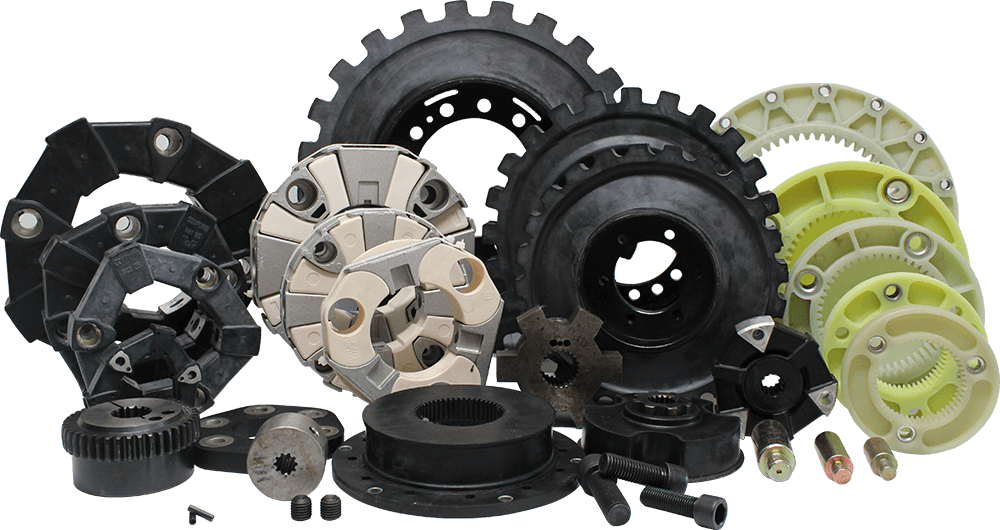

You will see that alloy steel is the best for bushings steel. This steel is special because it is very hard. It also does not wear out fast and does not cost too much. These things help bushings steel work with heavy loads. They also help bushings steel last longer in hard places. You may also find carbon steel and stainless steel used for bushings steel. Each type has its own good points.
Steel Type | Key Properties |
|---|---|
Alloy Steels | Stronger, tougher, and lasts longer |
Carbon Steel | Strong and good for normal jobs |
Stainless Steel | Does not rust in wet places |
High-Carbon Steel | Works well with heavy loads |
Key Takeaways
Alloy steel is the best pick for bushings. It is strong and lasts a long time. It does not wear out fast. It works well with heavy loads. It also works in hard places.
Carbon steel is a cheaper choice for daily use. It is strong and easy to shape. It works well for most jobs. It is good when you do not need rust protection.
Stainless steel bushings work great in wet places. They do not rust and stay strong. They are good for boats, food, or chemicals.
When you pick bushings, think about how much weight they hold. Also think about heat and rust. This helps you pick the right steel.
Buying better steel like alloy or stainless can save money. It lowers wear and cuts down on fixing needs.
Best Material for Steel Bushings
Alloy Steel Bushings
You often see alloy steel as the best material for steel bushings. This type of steel stands out because it mixes iron with other elements like chromium, molybdenum, or nickel. These elements boost strength and hardness. You can use grades like 4140 or 4130 when you need bushings that handle heavy loads and high stress. Alloy steel bushings resist wear and last longer than many other options. You get good durability and performance without paying too much. Many people choose alloy steel when they want bushings that work well in tough jobs. If you need custom bushings, direct hardening steels in the alloy family let you adjust hardness for special uses.
Tip: Choose alloy steel bushings for machines that need to run for a long time or carry heavy loads. You will see less wear and fewer breakdowns.
Carbon Steel Bushings
Carbon steel bushings give you a cost-effective choice for many everyday uses. This type of steel contains mostly iron and carbon. You get good strength and toughness for general jobs. Carbon steel bushings work well in places where you do not need high corrosion resistance. They are easy to machine and shape, so you can find them in many sizes. If you want a simple and strong material used for bushings, carbon steel is a common pick. High-carbon steel types can handle more load and stress, making them useful for heavy-duty bushings.
Carbon steel bushings offer:
Good strength for most machines
Lower cost than alloy or stainless steel
Easy shaping and machining
Stainless Steel Bushings
Stainless steel bushings give you the best protection against rust and corrosion. You should use them in wet or salty places. In salt spray tests, stainless steel bushings passed 500 hours without rust. Alloy steel and carbon steel bushings do not last as long in these tests. Stainless steel bushings keep their strength and shape even when exposed to water or chemicals. You can pick from different grades based on your needs.
Stainless Steel Grade | Properties |
|---|---|
304 | High resistance to rust, excellent machinability |
410 | Greater hardness and strength properties |
You can use 304 stainless steel bushings for most jobs that need rust resistance. If you need more strength, 410 stainless steel bushings work better. Stainless steel bushings cost more, but you get longer life and less maintenance in harsh places.
Note: Stainless steel bushings are the top choice for marine, food, or chemical equipment. You avoid rust and keep your machines running smoothly.
Bushings Steel Properties
Hardness and Wear Resistance
When you choose bushings, you want them to last a long time. Hardness and wear resistance help bushings steel stand up to friction and heavy use. If you pick a type of steel with high hardness, like alloy steel, your bushings will not wear down quickly. This means you get better durability and less need for replacement. For example, steel bushings in mining or construction equipment must handle rough conditions. These bushings keep their shape and strength even when machines run for hours every day. You can trust them to keep your equipment working well.
Corrosion Resistance
Corrosion resistance is important if your bushings work in wet or harsh places. Some types of steel, like carbon steel, can rust fast. In soil, carbon steel may corrode less than 0.2 microns per year in good conditions, but over 20 microns per year in bad soil. In acidic environments, carbon steel can lose up to 0.039373 mm per day. Stainless steel bushings protect against rust much better. Chromium in stainless steel forms a thin layer that blocks water and air. Nickel adds more toughness and helps the steel resist damage. You should use stainless steel bushings if you need long-lasting performance in water, salt, or chemicals.
Tip: If you want bushings that last in wet or salty places, pick stainless steel for the best corrosion resistance.
Load Capacity
Bushings must carry weight and handle force without bending or breaking. The load-bearing capacity depends on the type of steel you use. Steel bushings are very strong and work well in high-load jobs. You see them in mining, construction, and farming machines. Stainless steel bushings also hold heavy loads and resist rust at the same time. Carbon steel bushings balance cost and strength, making them good for most machines. When you pick bushings, always check their strength and load rating to match your needs. This helps you get the best performance and safety.
Stainless steel: High strength, great for heavy loads and harsh environments.
Carbon steel: Good strength, cost-effective for general use.
Alloy steel: Top choice for high strength and durability.
Type of Steel Comparison
Everyday Applications
Bushings help machines work every day. Carbon steel bushings are good for these jobs. They are strong and easy to shape. Carbon steel costs less than other steels. You save money when you use it. If you do not need rust protection, carbon steel is smart. Picking the wrong steel can cause problems. Here are common reasons bushings fail in machines:
Wrong material choice
Not enough or wrong lubrication
Dirt or other stuff gets inside
Too much weight
Not lined up or installed badly
You can stop many problems by picking the right steel and installing it well. Carbon steel bushings work for most normal loads. Always check the load rating before buying.
Corrosive Environments
Bushings in wet or salty places need stainless steel. Stainless steel does not rust and stays strong in water or chemicals. You do not need special coatings. Stainless steel bushings last longer and need less care. The table shows how stainless steel compares to other steels:
Feature | Stainless Steel Bushings | Other Steel Types |
|---|---|---|
Corrosion Resistance | High | Moderate to Low |
Durability | Long-lasting | Varies, often less durable |
Maintenance Requirements | Low | Higher, requires coatings |
Stainless steel bushings work better in tough places. You see them in marine, food, and chemical machines.
Thin and Lightweight Bushings
Sometimes bushings must be thin or light but still strong. Alloy steel bushings are best for this. Alloy steel is strong and does not wear out fast. Small alloy steel bushings save space and weight. They keep their shape under heavy loads. Alloy steel bushings last longer than carbon steel in hard jobs. If you want strong and tough thin bushings, choose alloy steel.
Choosing Steel Bushings
Cost Considerations
You want to get the best value when you choose bushings steel. Cost matters, but you should not pick the cheapest option without thinking about your needs. Carbon steel bushings cost less and work well for many machines. You save money if you do not need extra features like corrosion resistance. Alloy steel bushings cost more, but they give you better durability and shock and impact resistance. Stainless steel bushings cost the most. You pay more for rust protection and a longer life in harsh places.
Here is a table to help you compare cost and use:
Type of Steel | Cost | When to Use |
|---|---|---|
Carbon Steel | Low | Everyday jobs, basic strength, low corrosion risk |
Alloy Steel | Medium | High load applications, need for durability |
Stainless Steel | High | Wet, salty, or chemical environments |
Tip: If you want steel bushings that last longer and need less fixing, spending a bit more on alloy steel or stainless steel can save you money over time.
Application Needs
You should match the steel bushings to your job. Think about the load, temperature, and environment. If your machine faces heavy loads or high stress, pick alloy steel bushings for top strength and performance. Carbon steel bushings work for normal jobs where you do not need much corrosion resistance. Stainless steel bushings fit best in places with water, salt, or chemicals.
Check these factors before you buy:
Factor | What to Look For |
|---|---|
Load capacity | Can the bushings hold the weight? |
Temperature | Will the bushings work in hot or cold places? |
Corrosion resistance | Do you need rust protection? |
You should also think about:
Wear rate: How fast do the bushings wear out?
Shock and impact resistance: Will the bushings face sudden hits or force?
Mechanical properties: Do you need extra strength or hardness?
Note: For reliable steel bushings, YNF Rubber offers products that meet many industry needs. You can trust their bushings for high load applications and tough jobs.
Alloy steel is a good choice for most bushings. It is strong and hard. It does not wear out quickly. Heavy machines use this material a lot. It works well in tough jobs. Stainless steel is best for wet or rusty places. Carbon steel is good for normal jobs. Pick the steel that fits your machine. Construction machines need bushings that are strong. Industrial machines need bushings that last long. Strong bushings help carry heavy loads. They also help stop wear.
FAQ
What steel grade should you choose for bushings in heavy machines?
You should pick alloy steel grades like 4140 or 4130. These grades give you high strength and long life. They work well under heavy loads and tough conditions.
Can you use carbon steel bushings outdoors?
You can use carbon steel bushings outdoors, but they may rust if exposed to water. For better protection, you should choose stainless steel bushings.
How do you know if a bushing needs replacement?
You should check for signs like noise, loose fit, or visible wear. If you see cracks or the bushing moves too much, you need to replace it.
Are stainless steel bushings worth the extra cost?
You get excellent rust protection and longer life with stainless steel bushings. If your equipment works in wet or salty places, the extra cost is worth it.
Where can you buy reliable steel bushings?
You can buy high-quality steel bushings from YNF Rubber. They offer strong and durable bushings for many machines and tough jobs.